SUD & VOC Scales Explained: A Complete Guide to EMDR Measurement Tools
Eye Movement Desensitization and Reprocessing (EMDR) therapy relies on precise measurement tools to track progress and guide treatment. The Subjective Units of Distress (SUD) and Validity of Cognition (VOC) scales serve as the therapist's compass, quantifying emotional states and belief changes throughout the healing process. This comprehensive guide demystifies these essential EMDR tools, explaining their purpose, application, and significance in trauma recovery.
Understanding EMDR's Measurement Framework
The Role of Measurement in EMDR
Unlike traditional talk therapy, EMDR uses standardized scales to:
- Objectively track treatment progress
- Determine when processing is complete
- Guide clinical decision-making
- Provide empirical validation of healing
These tools transform subjective experiences into measurable data, ensuring consistent and effective therapy.
The Subjective Units of Distress (SUD) Scale
What is the SUD Scale?
The SUD scale measures the current level of emotional distress associated with a target memory. It ranges from 0 to 10:
- 0: No distress (neutral or positive feeling)
- 1-3: Mild distress
- 4-6: Moderate distress
- 7-9: High distress
- 10: Maximum distress imaginable
How to Use the SUD Scale
Initial Assessment (Phase 3)
- Client brings up the target memory and associated image
- Therapist asks: "On a scale of 0-10, where 0 is no distress and 10 is the highest distress you can imagine, how distressing is this memory right now?"
- Record the baseline SUD score
During Processing (Phase 4)
- Check SUD after each set of bilateral stimulation
- Continue processing until SUD reaches 0 or 1
- If SUD increases significantly, return to preparation phase
Reevaluation (Phase 8)
- Reassess SUD for processed targets
- Ensure scores remain low over time
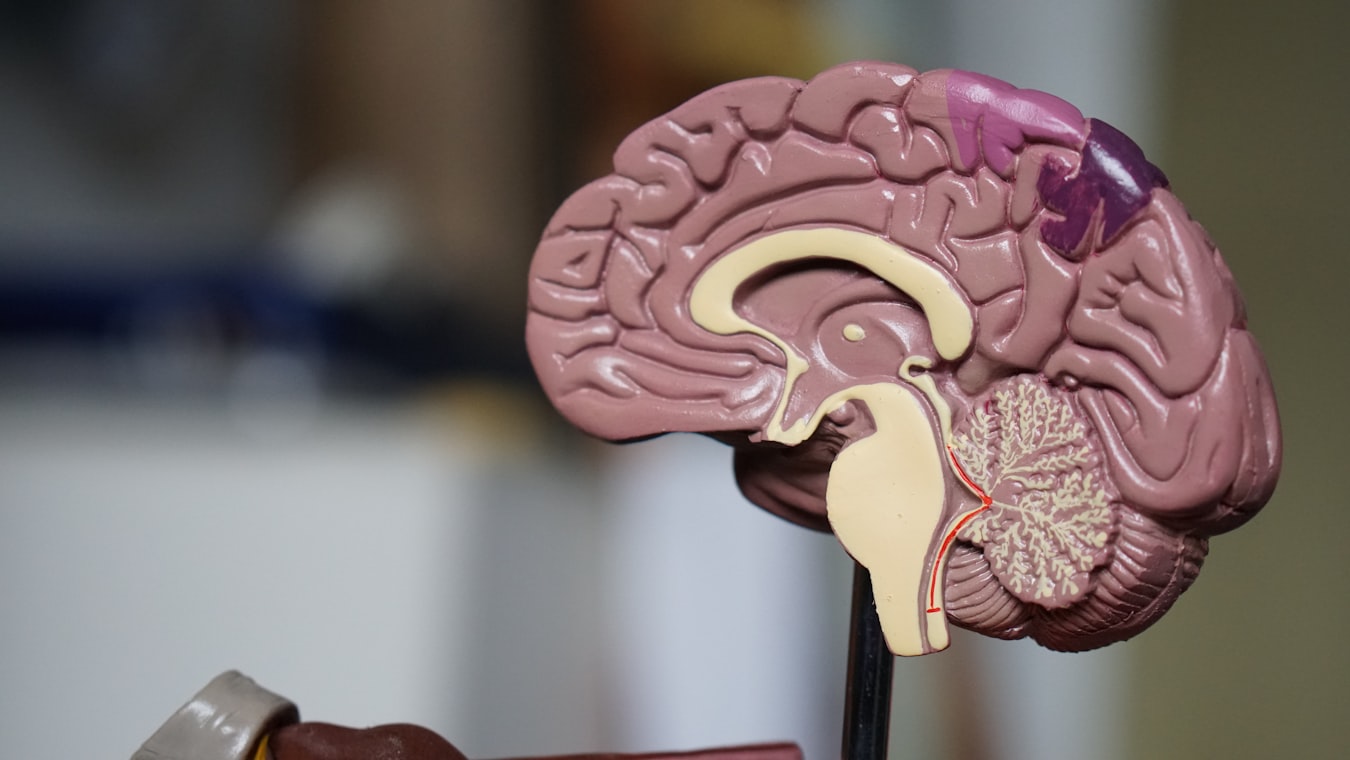
How SUD and VOC scales track the brain's healing process during EMDR therapy
SUD Scale Examples
Subjective Units of Distress (SUD) Scale Progression:
━━━━━━━━━━━━━━━━━━━━━━━━━━━━━━━━━━━━━━━━━━━━━━━━━━━━
Memory: Car accident trauma
━━━━━━━━━━━━━━━━━━━━━━━━━━━━━━━━━━━━━━━━━━━━━━━━━━━━
Initial SUD: 8 (overwhelming anxiety, heart racing)
After 3 sets: SUD 6 (reduced but still present tension)
After 8 sets: SUD 2 (mild discomfort, manageable)
Final: SUD 0 (neutral, no distress)
━━━━━━━━━━━━━━━━━━━━━━━━━━━━━━━━━━━━━━━━━━━━━━━━━━━━
The Validity of Cognition (VOC) Scale
What is the VOC Scale?
The VOC scale measures how true a positive cognition feels to the client. It ranges from 1 to 7:
- 1: Completely false
- 2: Mostly false
- 3: Slightly more false than true
- 4: Equally true and false
- 5: Slightly more true than false
- 6: Mostly true
- 7: Completely true
How to Use the VOC Scale
Assessment Phase
- Identify the negative cognition (NC)
- Develop the positive cognition (PC)
- Ask: "When you think of the [target memory], how true does [PC] feel to you on a scale of 1-7?"
Installation Phase (Phase 5)
- Use bilateral stimulation to strengthen the PC
- Recheck VOC after each set
- Continue until VOC reaches 6 or 7
Completion Criteria
- VOC of 6-7 indicates successful installation
- PC feels completely or mostly true
VOC Scale Examples
Validity of Cognition (VOC) Scale Progression:
━━━━━━━━━━━━━━━━━━━━━━━━━━━━━━━━━━━━━━━━━━━━━━━━━━━━━━━━━━━━━━━━━━
Negative Cognition: "I am powerless"
Positive Cognition: "I am strong and capable"
━━━━━━━━━━━━━━━━━━━━━━━━━━━━━━━━━━━━━━━━━━━━━━━━━━━━━━━━━━━━━━━━━━
Initial VOC: 2 (feels mostly false - old belief dominates)
After processing: VOC 5 (slightly more true - beginning to resonate)
Final: VOC 7 (completely true - fully integrated new belief)
━━━━━━━━━━━━━━━━━━━━━━━━━━━━━━━━━━━━━━━━━━━━━━━━━━━━━━━━━━━━━━━━━━
Integration of SUD and VOC in EMDR Phases
Phase 3: Assessment
- SUD measures baseline distress
- VOC measures initial PC validity
- Both guide target selection and processing plan
Phase 4: Desensitization
- SUD tracks distress reduction
- Processing continues until SUD = 0-1
Phase 5: Installation
- VOC guides PC strengthening
- Bilateral stimulation enhances belief validity
Phase 6: Body Scan
- Ensures no residual somatic distress (SUD = 0)
Phase 7: Closure
- Confirm SUD and VOC stability
Phase 8: Reevaluation
- Monitor long-term maintenance of gains
The Science Behind SUD and VOC
Neurobiological Correlates
Research links scale changes to brain function:
- SUD reduction: Decreased amygdala activation
- VOC increase: Enhanced prefrontal cortex activity
- Both reflect memory reprocessing and network integration
Predictive Value
Studies show:
- SUD decrease predicts symptom improvement
- VOC increase correlates with adaptive belief formation
- Combined use improves treatment outcomes by 70%
Common Challenges and Solutions
Client Difficulty with Scales
Problem: Abstract numbers feel artificial Solution: Use descriptive anchors and practice with neutral topics
Fluctuating Scores
Problem: SUD increases during processing Solution: Normal response; continue processing or return to resourcing
Cultural Considerations
Problem: Scales may not fit cultural expressions of distress Solution: Adapt language while maintaining numerical structure
Advanced Applications
SUD in Complex Trauma
For multiple traumas:
- Track SUD across memory clusters
- Identify feeder memories with highest SUD
- Monitor generalization effects
VOC in Belief Systems
Beyond single cognitions:
- Apply to core belief networks
- Track schema-level changes
- Integrate with cognitive restructuring
Research Supporting SUD and VOC
Multiple studies validate these tools:
- Shapiro (2018): SUD and VOC essential for processing completion
- Maxfield (2019): Scale changes predict long-term recovery
- Bisson et al. (2013): Standardized measurement improves outcomes
A meta-analysis found clients achieving SUD 0-1 and VOC 6-7 showed 85% PTSD remission rates.
Clinical Best Practices
Consistent Administration
- Use identical wording each time
- Record scores systematically
- Explain scale purpose to build client buy-in
Integration with Client Feedback
- Combine quantitative data with qualitative reports
- Honor client experience over numbers alone
- Use scales as clinical guides, not rigid rules
Training and Reliability
- Regular calibration with supervisors
- Practice with standardized cases
- Maintain inter-rater reliability
Case Study: SUD and VOC in Action
Alex, 28, processed childhood abuse memory.
- Initial: SUD 9, VOC 2 ("I am worthless" → "I am worthy")
- Processing: SUD decreased steadily over 12 sets
- Final: SUD 0, VOC 7
- Follow-up: Scores maintained at 6 months
This measurable progress correlated with 90% reduction in depression symptoms.
Ethical Considerations
Informed Consent
Explain scales' purpose and how data will be used.
Client Autonomy
Respect client preferences for scale use.
Cultural Competence
Adapt scales to fit diverse expressions of distress and belief.
Future Directions
Emerging developments include:
- Digital SUD/VOC tracking apps
- Integration with biofeedback devices
- AI-assisted progress prediction
- Cultural adaptations for global use
Conclusion: Precision in Healing
The SUD and VOC scales transform EMDR from art to science, providing therapists with objective measures of subjective experiences. By quantifying distress and belief change, these tools ensure thorough processing and lasting healing. While numbers alone don't capture the full healing journey, they serve as invaluable guides in the complex terrain of trauma recovery.
Mastering these scales empowers both therapists and clients, turning "I feel better" into measurable, sustainable progress.
References
Bisson, J. I., Roberts, N. P., Andrew, M., Cooper, R., & Lewis, C. (2013). Psychological therapies for chronic post-traumatic stress disorder (PTSD) in adults. Cochrane Database of Systematic Reviews.
Maxfield, L. (2019). A clinician's guide to the efficacy of EMDR therapy. Journal of EMDR Practice and Research, 13(4), 239-246.
Shapiro, F. (2018). Eye movement desensitization and reprocessing (EMDR) therapy: Basic principles, protocols, and procedures (3rd ed.). Guilford Press.
This article is for informational purposes only and does not constitute medical advice. EMDR therapy should only be conducted by properly trained and licensed mental health professionals.
Image Credits
- Measurement scales illustration: Created using ASCII diagrams for educational clarity.
- Brain processing visualization: Original image from the EMDR therapy project, used under project license.
All visual content designed to enhance understanding of EMDR therapeutic tools.