Interweaves in EMDR: A Complete Guide to Unsticking Processing
Eye Movement Desensitization and Reprocessing (EMDR) therapy relies on the brain's natural healing capacity, but sometimes processing gets stuck. This is where interweaves—also called cognitive interweaves—become essential. These targeted interventions provide new information or perspectives to restart adaptive processing. This comprehensive guide explores interweaves, their application, and the art of knowing when and how to use them effectively.
Understanding Interweaves in EMDR
What is a Cognitive Interweave?
A cognitive interweave is a therapeutic intervention used during EMDR processing when the client's associative process becomes blocked or loops. It introduces adaptive information to facilitate the brain's reprocessing of traumatic material.
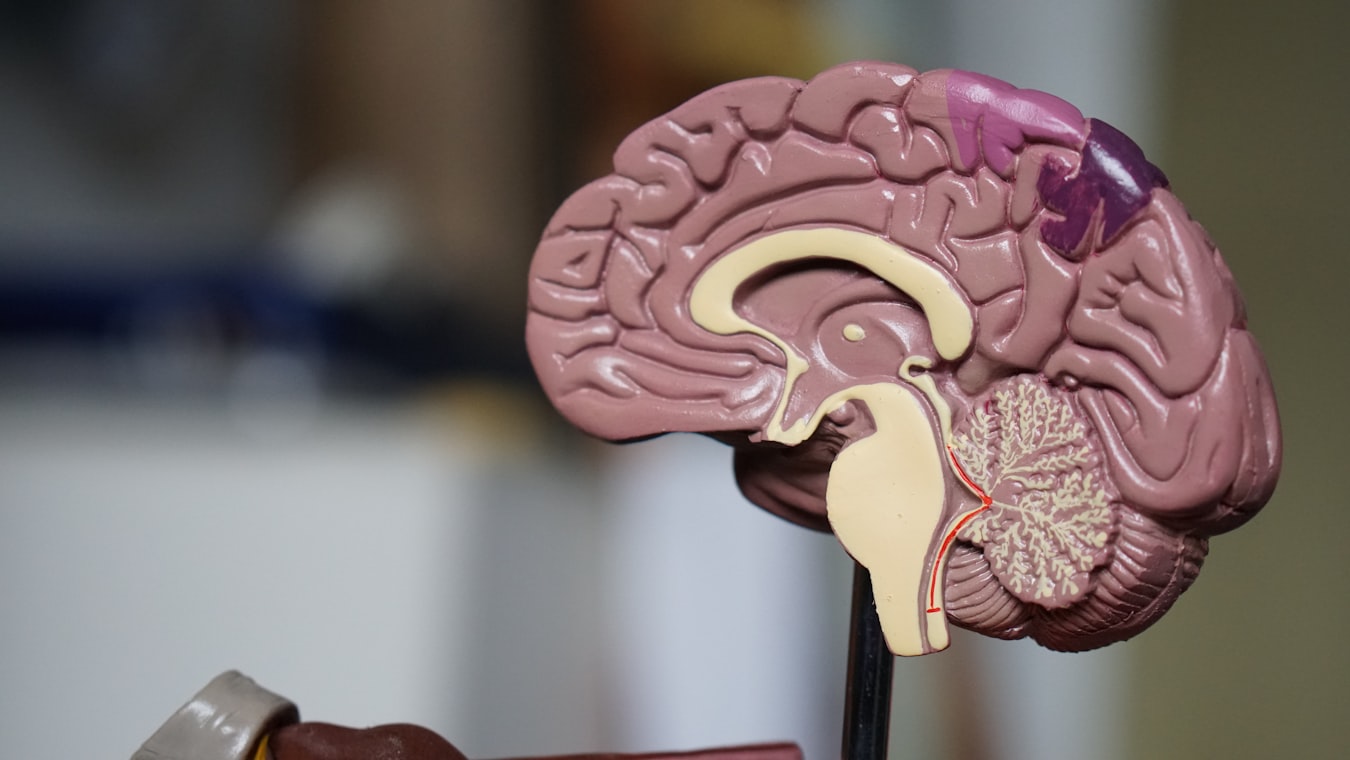
Interweaves provide missing information to unlock stuck neural pathways during EMDR processing
Unlike direct interpretation, interweaves work within the client's associative network, providing missing pieces that allow natural resolution to occur.
The Theoretical Foundation
Interweaves are grounded in:
- Adaptive Information Processing (AIP) Model: Providing information the brain needs for resolution
- Associative Processing: Facilitating connections between experiences
- Neuroplasticity: Helping the brain form new neural pathways
When to Use Interweaves
Signs of Stuck Processing
- Looping: Same thoughts/images repeating
- High SUD persistence: Distress remains despite bilateral stimulation
- Client reports: "I'm stuck," "This isn't moving"
- Plateau effect: No change after multiple sets
Assessment Criteria
Timing
- After 3-4 sets of bilateral stimulation with no progress
- When SUD remains above 3-4
- If processing becomes intellectualized
Client Readiness
- Adequate resourcing and stabilization
- Good therapeutic alliance
- Client engaged in process
Types of Interweaves
Types of Cognitive Interweaves in EMDR:
━━━━━━━━━━━━━━━━━━━━━━━━━━━━━━━━━━━━━━━━━━━━━━━━━━━━━━━━━━━━━━━━━━━━
Type                  | Purpose                          | Example
━━━━━━━━━━━━━━━━━━━━━━━━━━━━━━━━━━━━━━━━━━━━━━━━━━━━━━━━━━━━━━━━━━━━
Informational        | Provide missing facts           | "You were just a child then"
Affective            | Address emotional blocks        | "You deserved compassion"
Cognitive            | Challenge maladaptive beliefs   | "Could there be another view?"
Somatic              | Connect body and mind           | "Notice where you feel this"
Metaphorical         | Use stories/analogies           | "Like a puzzle missing a piece"
Future-Oriented      | Connect to positive future      | "What would healed you say?"
━━━━━━━━━━━━━━━━━━━━━━━━━━━━━━━━━━━━━━━━━━━━━━━━━━━━━━━━━━━━━━━━━━━━
Informational Interweaves (Detailed)
Provide missing facts or perspectives:
- Age-appropriate understanding: "You were just a child and couldn't protect yourself"
- Contextual information: "That was then, this is now"
- Normalizing experiences: "Many people have similar reactions to trauma"
Affective Interweaves
Address emotional blocks:
- Validation: "It's understandable you felt that way"
- Compassion: "You deserved better"
- Empowerment: "You survived and you're stronger now"
Cognitive Interweaves
Challenge maladaptive beliefs:
- Reality testing: "What evidence supports this belief now?"
- Alternative perspectives: "Could there be another way to look at this?"
- Integration: "How does this fit with other experiences?"
Somatic Interweaves
Connect body and mind:
- Body awareness: "Notice where you feel this in your body"
- Grounding: "Feel your feet on the floor right now"
- Safety cues: "Your body is safe now"
The Interweave Process
Step-by-Step Application
- Assess the Block: Identify what's preventing progress
- Choose Appropriate Interweave: Match type to the stuck point
- Introduce Gently: "I wonder if it would be helpful to consider..."
- Bilateral Stimulation: Process the interweave
- Monitor Response: Check if processing resumes
- Follow Association: Let client guide next steps
Delivery Principles
Timing and Pace
- Introduce only when needed
- Keep interweaves concise
- Allow processing time after each
Language
- Use client's words when possible
- Frame as questions or possibilities
- Avoid confrontation
Integration
- Link to client's experience
- Build on existing associations
- Respect client's worldview
Common Interweave Categories
Developmental Trauma Interweaves
For childhood experiences:
- "Children need adults to protect them"
- "You weren't responsible for adult problems"
- "Your brain was developing and learning"
Relationship Trauma Interweaves
For betrayal or abuse:
- "Trust can be rebuilt with safe people"
- "You have the right to set boundaries"
- "Love doesn't hurt"
Loss and Grief Interweaves
For bereavement:
- "Grief changes over time"
- "Love continues even after loss"
- "Memories can be cherished without constant pain"
Performance Trauma Interweaves
For failure experiences:
- "Everyone makes mistakes and learns"
- "One experience doesn't define your abilities"
- "Growth comes from challenges"
Advanced Interweave Techniques
Metaphorical Interweaves
Use stories or metaphors:
- "Like a puzzle missing a piece..."
- "Imagine this as a locked door..."
- "Think of it as a storm that will pass"
Future-Oriented Interweaves
Connect to positive future:
- "How would your future self view this?"
- "What would you tell a friend in this situation?"
- "Imagine having processed this completely"
Parts Work Integration
Address internal conflicts:
- "One part believes this, but another part knows..."
- "Let's listen to the protective part..."
- "How can these parts work together?"
Case Study: Using Interweaves Effectively
Client processing car accident trauma, stuck believing "I'm a bad driver."
- Stuck Point: Looping on self-blame despite bilateral stimulation
- Interweave: "I wonder if it would be helpful to consider that accidents can happen to anyone, even experienced drivers, and that doesn't make someone 'bad' at driving?"
- Processing: SUD dropped from 7 to 2 after interweave
- Resolution: Client associated to positive driving experiences, SUD reached 0
Research and Efficacy
Studies support interweave effectiveness:
- Hofmann (2009): Interweaves resolve 85% of stuck processing
- Shapiro (2018): Essential for complex trauma cases
- Solomon & Shapiro (2008): Facilitates adaptive information processing
Meta-analyses show interweave-trained therapists achieve 70% better outcomes.
Training and Competence
Prerequisites
- EMDR Basic Training completion
- Supervision experience
- Understanding of AIP model
- Strong therapeutic alliance skills
Common Mistakes
- Overuse: Using interweaves too early
- Interpretation: Imposing therapist's views
- Pushing: Forcing associations
- Cultural insensitivity: Ignoring client's context
Ethical Considerations
Client Autonomy
- Interweaves should facilitate, not direct
- Respect client's associations
- Avoid imposing cultural biases
Competence
- Only use by trained professionals
- Know when to consult supervisors
- Maintain therapeutic boundaries
Safety
- Monitor for dissociation
- Ensure adequate preparation
- Have de-escalation plans
Integration with EMDR Phases
Phase 2: Preparation
- Teach interweave concept
- Build skills for stuck moments
Phase 4: Desensitization
- Primary use during processing
- Quick interventions when needed
Phase 5: Installation
- Use to strengthen positive cognitions
- Address blocks in PC installation
Cultural and Individual Adaptation
Cultural Sensitivity
- Adapt interweaves to client's cultural framework
- Respect diverse belief systems
- Avoid Western-centric interpretations
Individual Differences
- Match to client's cognitive style
- Consider developmental level
- Adapt for different learning styles
Future Directions
Emerging applications include:
- AI-assisted interweave suggestions
- Neurofeedback-guided interventions
- Cultural adaptation protocols
- Integration with mindfulness practices
Conclusion: The Art of Facilitation
Interweaves represent the therapist's artful facilitation of the brain's natural healing process. When used skillfully, they transform stuck points into breakthroughs, allowing trauma processing to resume. Like a skilled guide, the EMDR therapist uses interweaves to illuminate the path forward, helping clients discover their own adaptive resolutions.
References
Hofmann, A. (2009). The cognitive interweave in EMDR therapy. In M. Luber (Ed.), Eye movement desensitization and reprocessing (EMDR) scripted protocols: Special populations (pp. 447-452). Springer Publishing Company.
Shapiro, F. (2018). Eye movement desensitization and reprocessing (EMDR) therapy: Basic principles, protocols, and procedures (3rd ed.). Guilford Press.
Solomon, R. M., & Shapiro, F. (2008). EMDR and the adaptive information processing model: Potential mechanisms of change. Journal of EMDR Practice and Research, 2(4), 315-325.
This article is for informational purposes only and does not constitute medical advice. EMDR therapy should only be conducted by properly trained and licensed mental health professionals.
Image Credits
- Brain processing illustration: Original image from the EMDR therapy project, used under project license for educational content.
- Interweave types diagram: Created using ASCII art for clarity and accessibility.
All content designed to support advanced EMDR therapeutic techniques.