Who Should NOT Do EMDR? A Complete Guide to Client Suitability and Safety
While Eye Movement Desensitization and Reprocessing (EMDR) therapy is highly effective for trauma treatment, it's not suitable for everyone. Understanding client suitability is crucial for ethical practice and optimal outcomes. This comprehensive guide explores who should avoid EMDR, why, and what alternatives to consider, ensuring therapists make informed decisions about treatment approaches.
The Importance of Client Suitability Assessment
Why Suitability Matters
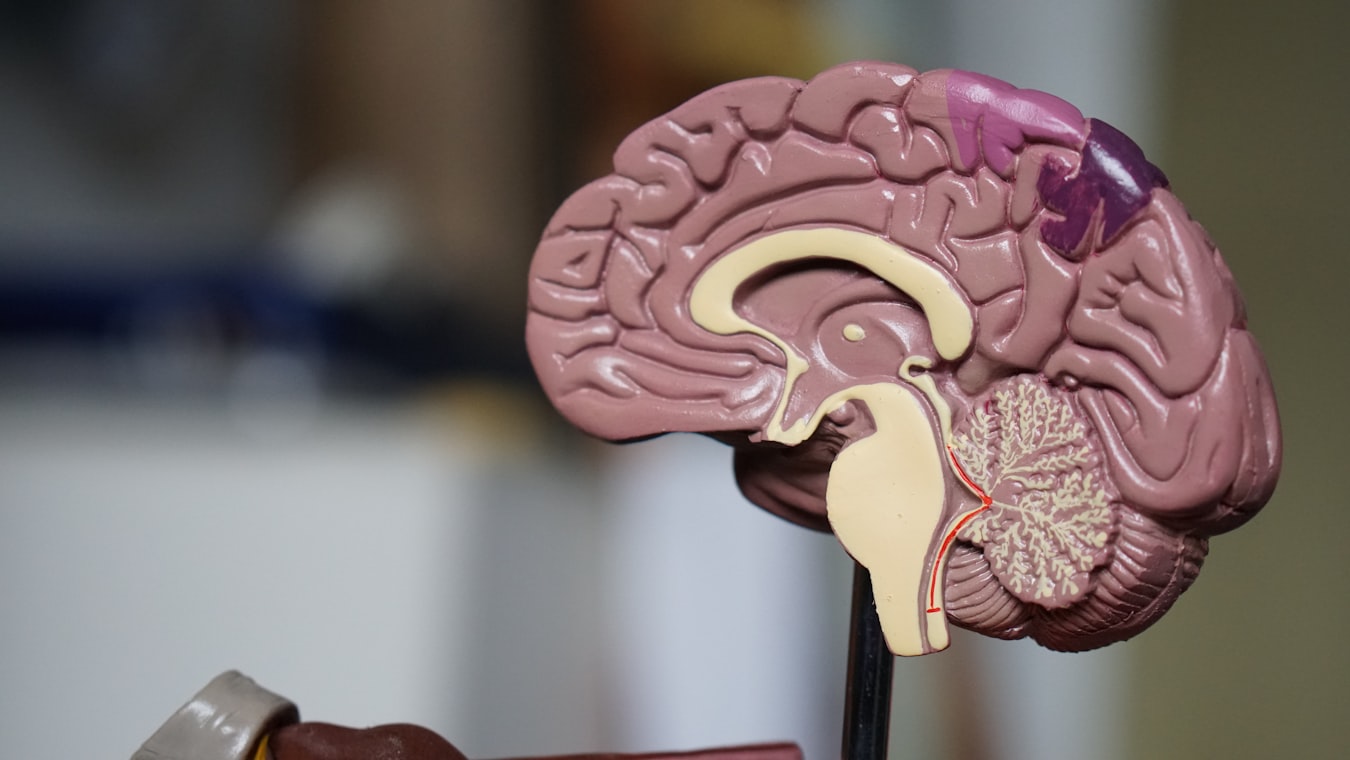
Thorough assessment ensures EMDR suitability and client safety
EMDR's unique mechanism—bilateral stimulation combined with trauma processing—works well for many but can be harmful for others. Proper assessment:
- Protects clients from potential harm or destabilization
- Optimizes outcomes by matching treatment to client needs
- Maintains ethics through informed consent and appropriate care
- Preserves therapeutic alliance by setting realistic expectations
Assessment as Standard Practice
Every potential EMDR client requires comprehensive evaluation before beginning treatment, including:
- Medical history and current health status
- Psychiatric assessment of symptoms and stability
- Trauma history and processing capacity
- Support systems and environmental factors
- Client preferences and treatment goals
Absolute Contraindications: Who Should Never Do EMDR
Severe Medical Conditions
Neurological Disorders
- Uncontrolled epilepsy or seizure disorders: Bilateral stimulation risks triggering seizures
- Recent traumatic brain injury (TBI): Within 3-6 months post-injury
- Active migraines or severe headaches: Can be exacerbated by eye movements
- Retinal detachment or eye conditions: Physical eye movement risks
Cardiovascular Instability
- Unstable angina or recent heart attack: Stress response may be dangerous
- Severe hypertension: Uncontrolled high blood pressure
- Recent cardiac surgery: Within 6-12 months
- Aortic aneurysm: Risk of rupture under emotional stress
Acute Psychiatric Crises
Active Psychosis
- Hallucinations or delusions: EMDR may worsen symptoms
- Acute manic episodes: Bipolar disorder in active mania
- Severe dissociative episodes: Complete disconnection from reality
Immediate Safety Risks
- Active suicidal ideation with plan: Requires immediate stabilization
- Severe self-harm behaviors: High-risk behaviors present
- Violent behaviors: Risk to self or others
Specific Populations
Children Under Age 6
- Cognitive immaturity: Cannot process abstract trauma concepts
- Limited verbal skills: Difficulty articulating experiences
- Attachment disruptions: Severe early neglect or abuse
Severe Cognitive Impairment
- Advanced dementia: Cannot engage in processing
- Severe intellectual disability: Significant cognitive limitations
- Acute delirium: Confusion and disorientation
Relative Contraindications: Proceed with Extreme Caution
Complex Trauma Without Stabilization
Dissociative Disorders
- Dissociative Identity Disorder (DID): Without system integration
- Severe dissociation (DES > 40): High fragmentation risk
- Complex PTSD: Multiple traumas without preparation
Current Life Instability
- Active domestic violence: Ongoing abuse situations
- Homelessness: Unstable living conditions
- Recent major loss: Acute grief reactions
- Financial crisis: Severe external stressors
Mental Health Conditions Requiring Different Approaches
Borderline Personality Disorder
- Severe emotional dysregulation: May destabilize further
- Self-harm behaviors: Risk of increased incidents
- Unstable relationships: Complex transference issues
Substance Use Disorders
- Active addiction: Without concurrent substance treatment
- Recent relapse: Within 3-6 months
- Polysubstance abuse: Multiple substance dependencies
Risk Factor Assessment Framework
Client Vulnerability Factors
Client Suitability Assessment Matrix:
━━━━━━━━━━━━━━━━━━━━━━━━━━━━━━━━━━━━━━━━━━━━━━━━━━━━━━━━━━━━━━━━━━━━
Factor                | Low Risk                  | Moderate Risk             | High Risk
━━━━━━━━━━━━━━━━━━━━━━━━━━━━━━━━━━━━━━━━━━━━━━━━━━━━━━━━━━━━━━━━━━━━
Trauma Complexity    | Single incident          | Multiple traumas         | Complex/developmental
Emotional Regulation | Good coping skills       | Moderate difficulties     | Poor/severe dysregulation
Dissociation         | None/mild                | Moderate                 | Severe/fragmented
Support System       | Strong network           | Moderate support         | Isolated/minimal
Current Stressors    | Manageable               | Moderate pressure        | Overwhelming
━━━━━━━━━━━━━━━━━━━━━━━━━━━━━━━━━━━━━━━━━━━━━━━━━━━━━━━━━━━━━━━━━━━━
Environmental Risk Factors
- Unsafe living environment: High stress or danger
- Lack of social support: Isolation increasing vulnerability
- Cultural stigma: Mental health barriers
- Treatment accessibility: Limited follow-up care
Assessment Tools and Protocols
Pre-Treatment Evaluation Components
Clinical Interview
- Detailed trauma history: Types, timing, severity
- Current symptoms: PTSD, depression, anxiety levels
- Coping resources: Internal and external supports
- Treatment history: Previous therapy experiences
Standardized Measures
- PCL-5: PTSD symptom severity
- DES: Dissociative experiences scale
- PHQ-9: Depression screening
- BAI: Anxiety assessment
- WHO-DAS: Functional impairment
Medical Clearance
- Physician consultation: For medical contraindications
- Medication review: Impact on processing capacity
- Physical health status: Overall medical stability
Alternative Treatment Approaches
When EMDR is Not Recommended
Trauma-Focused Therapies
- Cognitive Processing Therapy (CPT): Cognitive restructuring without bilateral stimulation
- Prolonged Exposure (PE): Gradual exposure techniques
- Trauma-Focused CBT: Skills-based trauma treatment
Stabilizing Approaches
- Dialectical Behavior Therapy (DBT): Emotional regulation skills
- Stabilization techniques: Building coping resources
- Supportive psychotherapy: Non-trauma focused support
Sequential Treatment Planning
- Stabilize first: Build resources before trauma work
- Medical treatment: Address health issues
- Concurrent therapies: Combine with appropriate approaches
Special Considerations for Different Populations
Medical Patients
- Modified protocols: Adapted for physical limitations
- Physician collaboration: Coordinated care approach
- Monitoring: Close observation for adverse effects
Forensic and Legal Populations
- Court involvement: May affect treatment process
- Secondary gain: External motivations
- Confidentiality: Legal reporting requirements
Cultural and Diversity Factors
- Cultural healing models: Respect traditional approaches
- Language barriers: Communication challenges
- Acculturation stress: Immigration-related trauma
Implementation Guidelines
Informed Consent Process
- Clear discussion: Risks, benefits, alternatives
- Client understanding: Ensure comprehension
- Ongoing consent: Re-evaluate throughout treatment
Treatment Planning
- Individualized approach: Match treatment to client needs
- Pacing considerations: Respect client readiness
- Integration with other treatments: Holistic care approach
Monitoring and Adjustment
- Regular assessment: Progress and safety monitoring
- Flexible planning: Adjust based on response
- Exit strategies: Clear plans for treatment changes
Case Studies: Suitability Decisions
Case 1: Medical Contraindication
Client with uncontrolled epilepsy and PTSD.
- Assessment: Identified seizure risk with bilateral stimulation
- Decision: Recommended CPT instead
- Outcome: Successful trauma processing without medical complications
Case 2: Stabilization Needed
Client with severe dissociation and complex trauma.
- Assessment: High DES scores, fragmented identity
- Decision: 6-month stabilization before EMDR consideration
- Outcome: Improved stability, eventual successful EMDR
Case 3: Alternative Recommended
Client with active substance abuse and trauma.
- Assessment: Active addiction destabilizing treatment
- Decision: Substance treatment first, then trauma therapy
- Outcome: Sober client later successfully completed EMDR
Research and Evidence Base
Studies support careful suitability assessment:
- EMDRIA guidelines: Comprehensive pre-treatment evaluation
- Shapiro (2018): Medical clearance essential
- van der Kolk (2014): Individualized trauma treatment
- Bisson et al. (2013): Tailored approaches improve outcomes
Meta-analyses show appropriate client selection improves success rates by 40-60%.
Training and Competence Requirements
Essential Knowledge
- Medical literacy: Understanding contraindications
- Assessment skills: Comprehensive evaluation
- Alternative treatments: Knowledge of other approaches
- Risk management: Crisis intervention competence
Professional Development
- EMDRIA standards: Adherence to professional guidelines
- Supervision: Regular consultation on complex cases
- Continuing education: Updates on contraindications
Future Directions
Emerging considerations include:
- Personalized medicine: Genetic factors in treatment response
- Digital assessment: AI-assisted suitability screening
- Cultural adaptations: Globally sensitive contraindications
- Integrated care: Medical-psychological collaboration
Conclusion: Right Treatment, Right Time, Right Client
Determining EMDR suitability is a cornerstone of responsible trauma therapy. While EMDR is powerful and effective for many, recognizing who should not do EMDR protects clients and maximizes healing potential. By conducting thorough assessments and offering appropriate alternatives, therapists ensure that every client receives the safest, most effective care for their unique situation.
The decision to pursue or avoid EMDR should always prioritize client safety, well-being, and optimal therapeutic outcomes.
References
Bisson, J. I., Roberts, N. P., Andrew, M., Cooper, R., & Lewis, C. (2013). Psychological therapies for chronic post-traumatic stress disorder (PTSD) in adults. Cochrane Database of Systematic Reviews.
Shapiro, F. (2018). Eye movement desensitization and reprocessing (EMDR) therapy: Basic principles, protocols, and procedures (3rd ed.). Guilford Press.
van der Kolk, B. A. (2014). The body keeps the score: Brain, mind, and body in the healing of trauma. Viking.
This article is for informational purposes only and does not constitute medical advice. EMDR therapy should only be conducted by properly trained and licensed mental health professionals.
Image Credits
- Brain assessment illustration: Original image from the EMDR therapy project, used under project license for educational content.
- Suitability assessment matrix diagram: Created using ASCII art for clarity and accessibility.
All content designed to promote safe and ethical EMDR practice.