Negative Cognition vs Positive Cognition in EMDR: A Complete Guide
Eye Movement Desensitization and Reprocessing (EMDR) therapy operates on the principle that unprocessed trauma gets stuck in the brain, manifesting as negative beliefs about ourselves, others, and the world. At the heart of EMDR's effectiveness lies the transformation of negative cognitions (NCs) into positive cognitions (PCs). This comprehensive guide explores these fundamental concepts, their identification, and their critical role in trauma healing.
Understanding Cognitions in EMDR Therapy
What is a Cognition in EMDR?
In EMDR terminology, a cognition refers to a core belief or self-statement that encapsulates how we perceive ourselves in relation to a traumatic event. These beliefs often form the emotional core of trauma memories and drive our behavioral responses.
The Adaptive Information Processing (AIP) Model
Francine Shapiro's AIP model explains that trauma disrupts the brain's natural information processing system. Negative cognitions represent "stuck" beliefs that prevent proper memory integration, while positive cognitions represent the adaptive beliefs we want to achieve.
Negative Cognitions (NCs): The Core of Trauma
Definition and Characteristics
Negative cognitions are maladaptive beliefs that develop from traumatic experiences. They typically fall into three categories:
- Self-referencing: Beliefs about oneself (e.g., "I'm worthless," "I'm unlovable")
- Other-referencing: Beliefs about others (e.g., "People are dangerous," "I can't trust anyone")
- World-referencing: Beliefs about the world (e.g., "The world is unsafe," "Life is unfair")
Common Negative Cognitions
Research has identified common NC patterns across trauma survivors:
Emotional Dysregulation NCs:
- "I am powerless"
- "I am out of control"
- "I am shameful"
Safety NCs:
- "I am in danger"
- "I am not safe"
- "The world is dangerous"
Self-Worth NCs:
- "I am worthless"
- "I am inadequate"
- "I don't deserve good things"
Relationship NCs:
- "I am unlovable"
- "People will hurt me"
- "I am alone"
How Negative Cognitions Form
NCs typically develop through:
- Direct Experience: Personal trauma creates the belief
- Vicarious Learning: Observing others' traumas
- Overgeneralization: Applying one experience to all situations
- Childhood Conditioning: Early experiences shaping core beliefs
Positive Cognitions (PCs): The Goal of Processing
Definition and Purpose
Positive cognitions represent the desired adaptive beliefs that replace negative ones. PCs should:
- Be the polar opposite of the NC
- Feel true and resonate with the client
- Address the core issue from the trauma
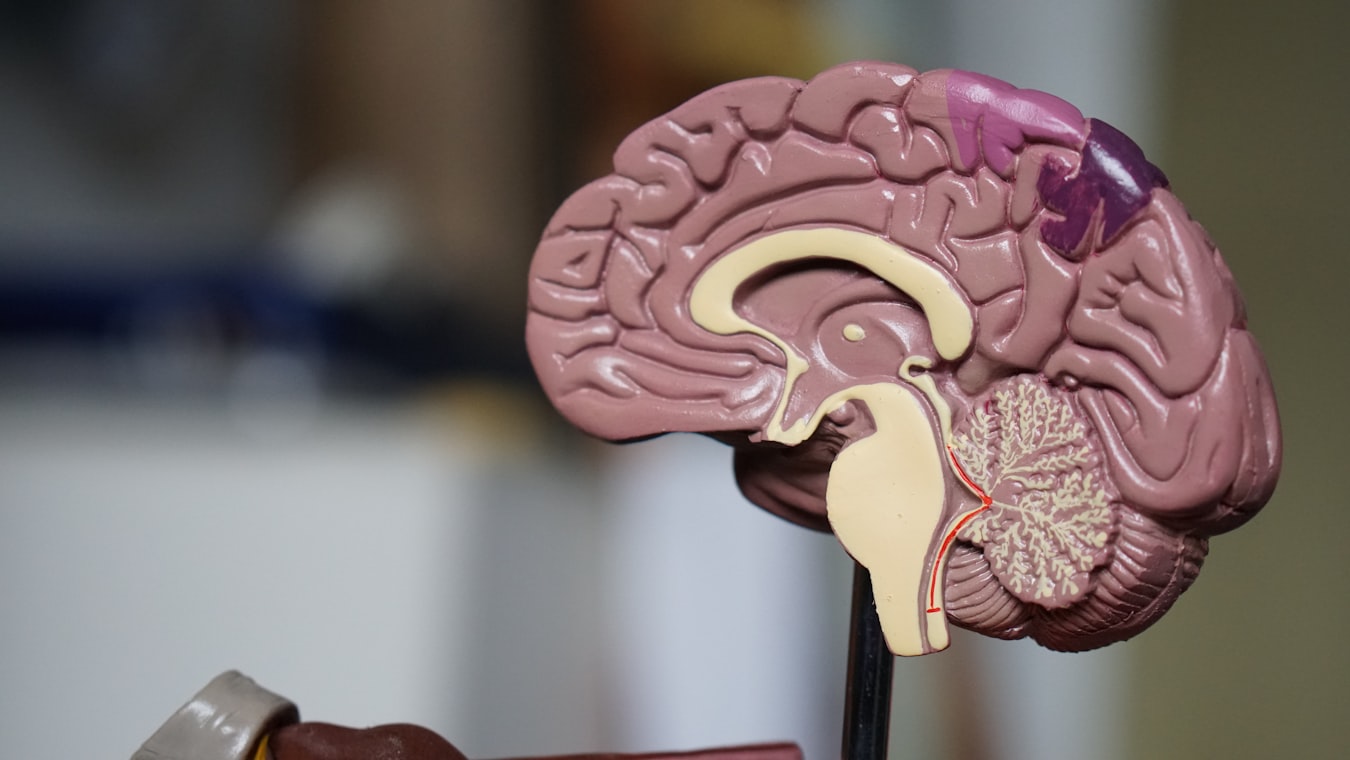
Neuroplasticity activated during EMDR processing transforms negative cognitions into positive ones
Characteristics of Effective PCs
A good PC:
- Uses first-person present tense ("I am worthy" vs "You are worthy")
- Is specific and measurable
- Feels believable with some processing
- Addresses the core fear or belief
Examples of PC Transformations
Cognition Transformation Examples:
━━━━━━━━━━━━━━━━━━━━━━━━━━━━━━━━━━━━━━━━━━━━━━━━━━━━━━━━━━
Negative Cognition (NC)          →    Positive Cognition (PC)
━━━━━━━━━━━━━━━━━━━━━━━━━━━━━━━━━━━━━━━━━━━━━━━━━━━━━━━━━━
"I am powerless"                 →    "I am strong and capable"
"I am unlovable"                 →    "I am worthy of love and respect"
"The world is dangerous"         →    "I can handle challenges safely"
"I am shameful"                  →    "I deserve compassion and forgiveness"
"I failed"                       →    "I did my best"
━━━━━━━━━━━━━━━━━━━━━━━━━━━━━━━━━━━━━━━━━━━━━━━━━━━━━━━━━━
The Role of Cognitions in EMDR Phases
Phase 3: Assessment
During assessment, therapists help clients:
- Identify the target memory
- Rate the NC on a Validity of Cognition (VoC) scale (1-7)
- Identify the desired PC
- Rate current belief in PC on VoC scale
Phase 5: Installation
The installation phase focuses on:
- Strengthening the PC through bilateral stimulation
- Increasing VoC rating toward 7 (completely true)
- Linking the PC to the processed memory
Phase 6: Body Scan
Checking for somatic residue ensures the PC integrates fully without body tension.
Identifying Negative and Positive Cognitions
Techniques for NC Discovery
Direct Inquiry
- "What words best describe how you feel about yourself in this situation?"
- "What does this experience say about you as a person?"
Float Back Technique
- Start with current symptoms and work backward to identify core beliefs
Pattern Recognition
- Look for recurring themes across different traumatic memories
Crafting Effective PCs
The Mirror Technique
Create PCs that directly counter the NC:
- NC: "I am bad" → PC: "I am good"
- NC: "I failed" → PC: "I succeeded"
Age-Appropriate PCs
Consider developmental stage:
- Child: "I am safe now"
- Adult: "I can protect myself"
Cultural Considerations
Ensure PCs align with client's cultural values and belief systems.
The Science Behind Cognition Change
Neuroplasticity and Belief Change
Research shows EMDR facilitates neuroplasticity:
- Bilateral stimulation activates both brain hemispheres
- Memory networks reorganize around new beliefs
- Prefrontal cortex strengthens executive functioning
Measurement and Validation
The VoC scale provides empirical tracking:
- 1 = Completely false
- 7 = Completely true
Studies show successful EMDR processing increases VoC scores significantly.
Common Challenges and Solutions
Stuck Processing Due to Weak PCs
Problem: PC doesn't resonate or feel true Solution: Refine PC to be more specific or achievable
Multiple NCs in One Memory
Problem: Memory contains several beliefs Solution: Process hierarchically, starting with most distressing
Cultural Resistance
Problem: PC conflicts with cultural norms Solution: Adapt PC to fit client's worldview
Case Study: Cognition Transformation
Maria, 34, experienced childhood abuse. Her presenting NC was "I am dirty and shameful" (VoC 6). After processing feeder memories, her PC "I am worthy and clean" increased from VoC 2 to VoC 7. This shift generalized across related traumas, reducing depression symptoms by 80%.
Research Supporting NC/PC Work
Multiple studies validate the importance of cognition work in EMDR:
- Shapiro (2018): PC installation essential for memory reprocessing
- Maxfield (2019): NC change correlates with symptom reduction
- Solomon & Shapiro (2008): PC validity predicts treatment success
A meta-analysis found clients achieving VoC 6-7 showed 90% improvement rates.
Practical Applications Beyond EMDR
Daily Life Integration
Clients can use NC/PC awareness in daily life:
- Journal negative thoughts and counter with PCs
- Practice PC affirmations during triggering situations
- Use as self-soothing technique between sessions
Complementary Therapies
NC/PC work enhances:
- Cognitive Behavioral Therapy (CBT)
- Mindfulness practices
- Exposure therapies
Ethical Considerations
Client Autonomy
Always validate client's chosen PCs, even if therapist disagrees.
Developmental Appropriateness
Ensure PCs match client's cognitive and emotional development.
Trauma-Informed Care
Avoid pressuring clients to adopt PCs before they're ready.
Conclusion: The Power of Belief Change
Negative and positive cognitions represent the cognitive foundation of EMDR therapy. By systematically identifying maladaptive beliefs and installing adaptive ones, EMDR facilitates profound psychological healing. The transformation from "I am powerless" to "I am capable" isn't just semantic—it's neurobiological.
Understanding and working with cognitions empowers both therapists and clients in the healing journey. When executed skillfully, this cognitive restructuring becomes a cornerstone of lasting trauma recovery.
References
Maxfield, L. (2019). A clinician's guide to the efficacy of EMDR therapy. Journal of EMDR Practice and Research, 13(4), 239-246.
Shapiro, F. (2018). Eye movement desensitization and reprocessing (EMDR) therapy: Basic principles, protocols, and procedures (3rd ed.). Guilford Press.
Solomon, R. M., & Shapiro, F. (2008). EMDR and the adaptive information processing model: Potential mechanisms of change. Journal of EMDR Practice and Research, 2(4), 315-325.
This article is for informational purposes only and does not constitute medical advice. EMDR therapy should only be conducted by properly trained and licensed mental health professionals.
Image Credits
- Brain neuroplasticity illustration: Original image from the EMDR therapy project, used under project license for educational content.
- Cognition comparison diagram: Created using ASCII art for clarity and accessibility.
All content created for educational purposes to support EMDR therapy understanding.