EMDR Without a Therapist: Understanding the Dangers and Risks
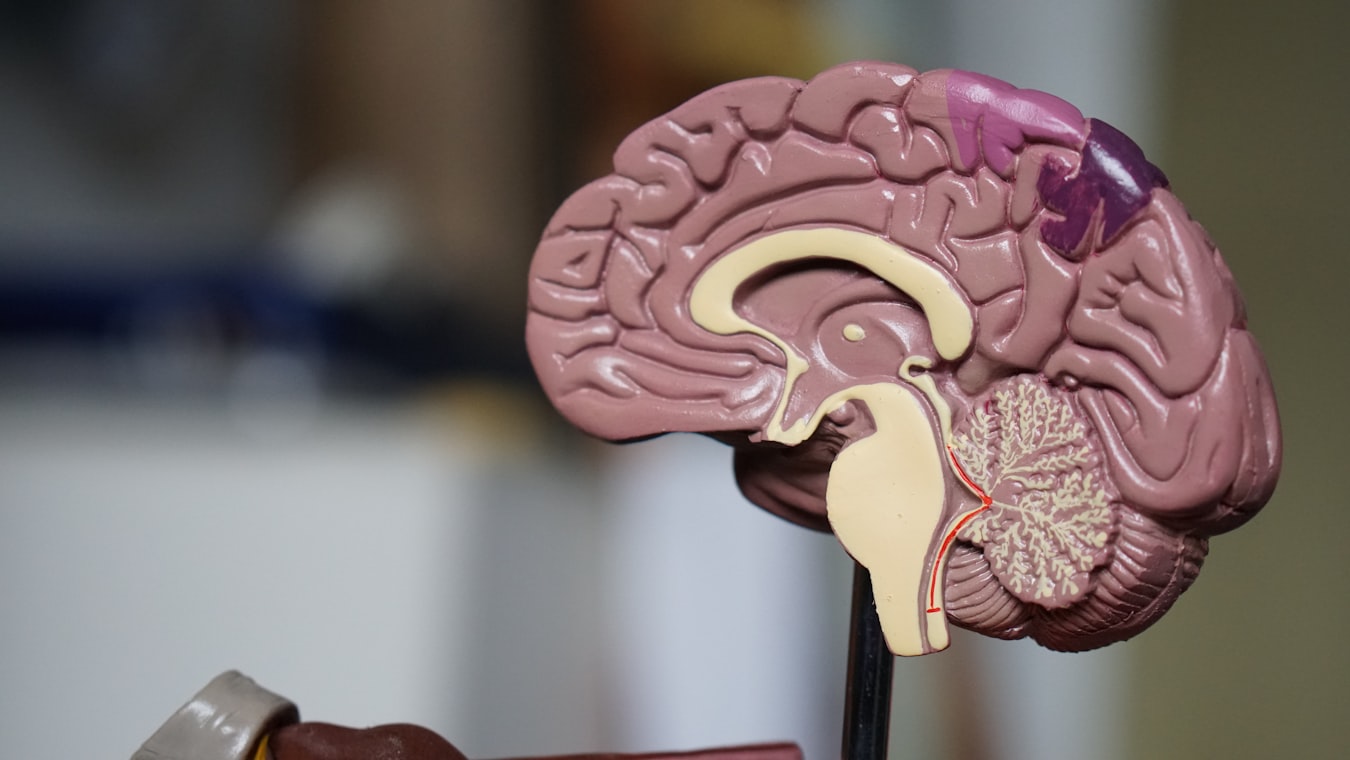
Professional EMDR therapy ensures safe trauma processing and integration
Eye Movement Desensitization and Reprocessing (EMDR) therapy is a powerful trauma treatment, but its complexity and intensity make professional guidance essential. Self-administered EMDR—through apps, videos, or DIY methods—carries significant risks that can harm rather than help. This comprehensive guide explores why EMDR requires trained therapists, the dangers of unsupervised practice, and how to safely access EMDR therapy.
Why EMDR Requires Professional Training
EMDR's Complexity
EMDR is not a simple technique—it's a comprehensive therapeutic approach requiring:
- Clinical assessment: Evaluating trauma history and current symptoms
- Client stabilization: Building coping skills before processing
- Target selection: Identifying appropriate trauma memories
- Bilateral stimulation: Precise timing and intensity control
- Processing management: Handling abreactions and stuck points
- Integration support: Helping clients incorporate changes
Therapeutic Alliance
Professional EMDR relies on:
- Trust and safety: Secure therapeutic relationship
- Clinical judgment: Real-time decision-making
- Emotional containment: Managing overwhelming emotions
- Cultural competence: Understanding diverse experiences
- Ethical boundaries: Maintaining professional standards
Dangers of Self-Administered EMDR
Immediate Physical Risks
Neurological Complications
- Seizure induction: Uncontrolled bilateral stimulation
- Migraine exacerbation: Eye movement strain
- Vestibular disruption: Inner ear and balance issues
- Visual problems: Eye strain and retinal stress
Physiological Stress
- Cardiac strain: Increased heart rate without monitoring
- Hyperventilation: Uncontrolled breathing patterns
- Autonomic arousal: Fight-flight response without grounding
- Sleep disruption: Processing interference
Psychological Dangers
Trauma Re-traumatization
- Flooding without containment: Overwhelming emotions
- Dissociation escalation: Increased detachment
- Flashback intensification: Heightened trauma symptoms
- Emotional dysregulation: Unmanaged abreactions
Processing Complications
Self-Administered EMDR Risks:
━━━━━━━━━━━━━━━━━━━━━━━━━━━━━━━━━━━━━━━━━━━━━━━━━━━━━━━━━━━━━━━━━━━━
Risk Category         | Potential Problems             | Why Dangerous
━━━━━━━━━━━━━━━━━━━━━━━━━━━━━━━━━━━━━━━━━━━━━━━━━━━━━━━━━━━━━━━━━━━━
Assessment           | No trauma evaluation           | Processing wrong targets
Stabilization        | Missing coping skills          | Overwhelm without resources
Technique            | Incorrect BLS timing           | Ineffective or harmful
Monitoring           | No distress tracking           | Missing complications
Integration         | No change processing           | Incomplete resolution
━━━━━━━━━━━━━━━━━━━━━━━━━━━━━━━━━━━━━━━━━━━━━━━━━━━━━━━━━━━━━━━━━━━━
Stuck Processing
- Looping thoughts: Repetitive, unresolved material
- Increased avoidance: Trauma suppression
- False resolution: Superficial change appearance
- Symptom worsening: Heightened distress
Long-Term Consequences
Incomplete Healing
- Partial processing: Surface-level changes only
- Memory fragmentation: Unresolved trauma pieces
- Symptom persistence: Ongoing PTSD symptoms
- Secondary trauma: Self-treatment complications
Psychological Harm
- Loss of confidence: Failed self-help attempts
- Treatment resistance: Professional help avoidance
- Stigmatization: Self-blame for complications
- Relationship strain: Isolation and withdrawal
Common Self-Treatment Methods and Their Risks
EMDR Apps and Programs
Commercial Apps
- Oversimplification: Complex process reduced to basic exercises
- Lack of assessment: No individual evaluation
- Generic protocols: Not tailored to specific trauma
- False security: "Professional" claims without credentials
Audio Programs
- No visual component: Incomplete bilateral stimulation
- Pacing issues: User-directed speed control
- Distraction potential: Environmental interruptions
- Progress tracking: No objective measurement
Online Videos and Tutorials
YouTube and Self-Help Videos
- Inaccurate information: Misleading instructions
- No customization: One-size-fits-all approach
- Safety warnings: Often omitted or minimal
- Follow-up absence: No ongoing support
Social Media Guides
- Unverified sources: Non-professional creators
- Oversimplification: Complex therapy as quick fix
- Triggering content: Without preparation
- Community advice: Anecdotal rather than evidence-based
DIY Bilateral Stimulation
Eye Movement Exercises
- Improper technique: Risk of eye strain or injury
- No target focus: Random stimulation without purpose
- Uncontrolled intensity: Too fast or too slow pacing
- Missing components: No assessment or integration
Tapping and Audio Methods
- Ineffective protocols: Not equivalent to full EMDR
- False expectations: Limited therapeutic benefit
- Safety concerns: Unmonitored physical effects
- Delayed complications: Problems appearing later
When Apps Might Be Appropriate
Adjunctive Tools Only
Professional-Guided Use
- Supplement therapy: Under therapist supervision
- Skill practice: Between-session resource building
- Progress tracking: With professional oversight
- Stabilization support: Coping skill reinforcement
Specific Applications
- Resource installation: Safe place practice
- Grounding exercises: Self-regulation tools
- Homework assignments: Therapist-directed activities
- Maintenance programs: Post-treatment support
Red Flags to Avoid
Marketing Claims
- "Therapy replacement": Claims of professional equivalence
- "Instant results": Unrealistic outcome promises
- "No therapist needed": Bypassing professional care
- "Cure all trauma": Oversimplified solutions
Missing Safety Features
- No contraindication screening: Medical risk assessment
- Emergency resources: Crisis support access
- Progress monitoring: Symptom tracking tools
- Professional consultation: Expert guidance options
Safe Alternatives to Self-Treatment
Professional EMDR Therapy
Finding Qualified Therapists
- EMDRIA certification: Verified training and standards
- Specialization: Trauma and PTSD expertise
- Approach compatibility: Therapeutic style match
- Accessibility: Location and cost considerations
Treatment Process
- Comprehensive assessment: Full trauma evaluation
- Personalized planning: Individual treatment approach
- Ongoing monitoring: Progress and safety tracking
- Integration support: Change processing and stabilization
Other Evidence-Based Treatments
Trauma-Focused Therapies
- Cognitive Processing Therapy: Cognitive restructuring
- Prolonged Exposure: Gradual exposure techniques
- Trauma-Focused CBT: Skills-based trauma treatment
- Somatic therapies: Body-based trauma approaches
Stabilization Approaches
- Dialectical Behavior Therapy: Emotional regulation skills
- Stabilization techniques: Building coping resources
- Supportive counseling: Non-trauma focused support
- Group therapy: Peer support and education
Protecting Yourself from Harm
Research Before Starting
Verify Sources
- Professional credentials: Author/creator qualifications
- Evidence base: Research support for claims
- Safety information: Risk disclosure presence
- Contact options: Support access availability
Check Reviews and Warnings
- Professional feedback: Expert recommendations
- User experiences: Realistic outcome reports
- Regulatory warnings: FDA or health authority alerts
- Research studies: Evidence-based effectiveness
Safe Online Resources
Educational Materials
- Professional websites: EMDRIA, APA, WHO resources
- Research articles: Peer-reviewed studies
- Educational videos: Professional training content
- Support groups: Guided peer communities
Crisis Resources
- Hotlines: 24/7 professional support
- Emergency services: Immediate crisis intervention
- Mental health referrals: Professional connection services
- Support networks: Local trauma resources
Legal and Ethical Considerations
Professional Standards
EMDRIA Guidelines
- Training requirements: Comprehensive certification
- Ethical practice: Client safety prioritization
- Continuing education: Updated knowledge maintenance
- Supervision standards: Ongoing professional development
Regulatory Oversight
- Licensing boards: Professional practice standards
- Insurance requirements: Coverage limitations
- Malpractice considerations: Liability for complications
- Consumer protection: False claim prevention
Consumer Rights
Accurate Information
- Truthful advertising: Evidence-based claims only
- Risk disclosure: Complete safety information
- Alternative options: Other treatment availability
- Refund policies: Fair consumer protections
Case Studies: Self-Treatment Complications
Case 1: App-Induced Crisis
Client used EMDR app without assessment, experienced severe dissociation and required hospitalization.
Case 2: Incomplete Processing
Self-administered protocol led to increased nightmares and avoidance, delaying professional help.
Case 3: False Security
App claimed "professional equivalence," leading to delayed proper treatment and worsened symptoms.
Future of EMDR Access
Technology's Role
Supervised Digital Tools
- Teletherapy integration: Professional remote EMDR
- Guided apps: Therapist-monitored self-practice
- Progress tracking: Objective outcome measurement
- Safety protocols: Built-in risk management
Research Directions
- Effectiveness studies: Self-administered vs. professional
- Safety protocols: Risk mitigation development
- Personalization: AI-assisted customization
- Integration models: Blended care approaches
Conclusion: Professional Care is Essential
EMDR therapy's power demands professional expertise for safe, effective application. Self-administered approaches, while accessible, carry significant risks that can complicate trauma recovery. When seeking EMDR, prioritize qualified professionals who can provide comprehensive assessment, skilled intervention, and ongoing support.
Your trauma healing journey deserves the safety and effectiveness that only trained EMDR therapists can provide. Don't risk your well-being with shortcuts—invest in professional care for lasting recovery.
References
EMDR International Association. (2023). EMDR therapy training manual. Author.
Shapiro, F. (2018). Eye movement desensitization and reprocessing (EMDR) therapy: Basic principles, protocols, and procedures (3rd ed.). Guilford Press.
This article is for informational purposes only and does not constitute medical advice. EMDR therapy should only be conducted by properly trained and licensed mental health professionals.
Image Credits
- Brain safety concerns illustration: Original image from the EMDR therapy project, used under project license for educational content.
- Self-administered EMDR risks diagram: Created using ASCII art for clarity and accessibility.
All content designed to promote safe, professional EMDR therapy access.