EMDR Myths and Facts: Separating Truth from Fiction in Trauma Therapy
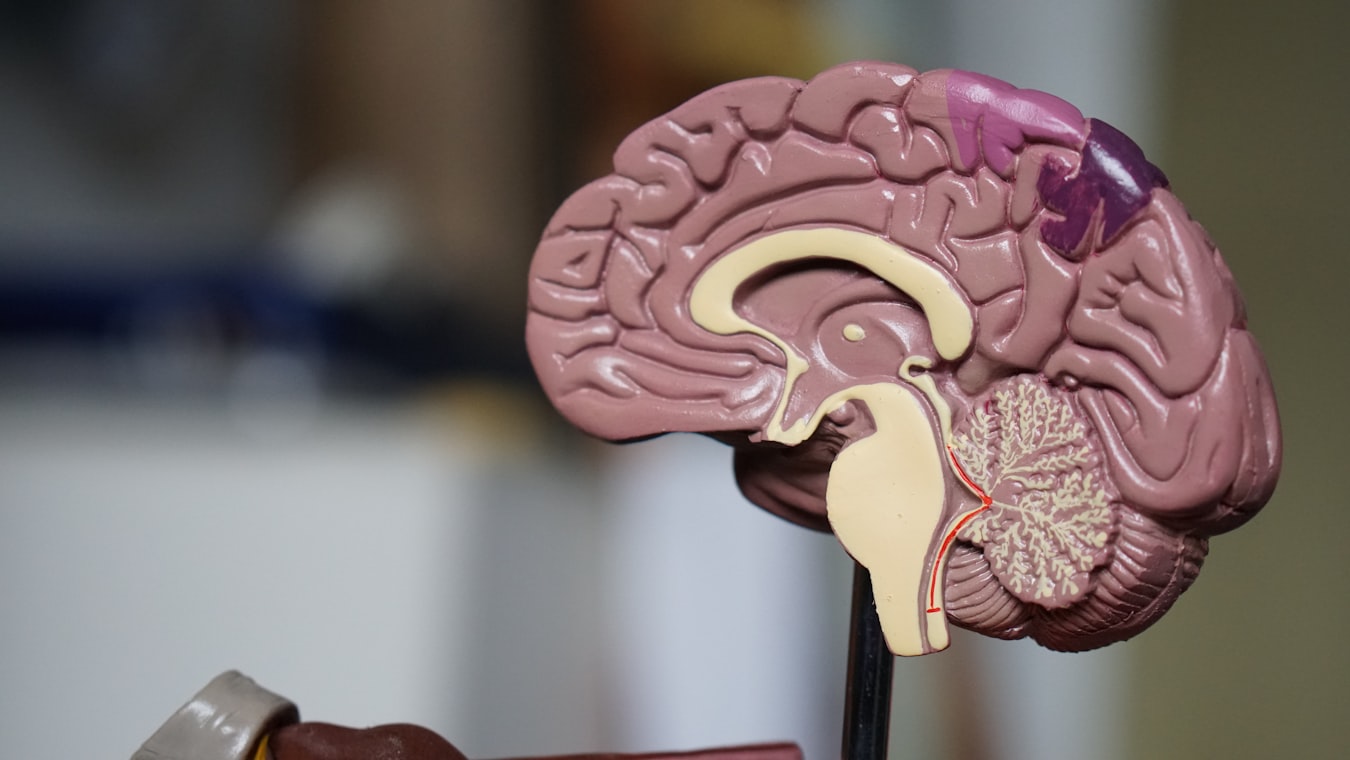
Evidence-based EMDR therapy separates fact from fiction in trauma treatment
Eye Movement Desensitization and Reprocessing (EMDR) therapy has revolutionized trauma treatment, but misinformation and misconceptions persist. Separating myths from facts is crucial for clients considering EMDR and professionals recommending it. This comprehensive guide debunks common EMDR myths with evidence-based facts, helping you make informed decisions about trauma treatment.
The Origins of EMDR Myths
Where Myths Come From
EMDR myths often originate from:
- Misinformation: Incomplete understanding of the therapy
- Sensationalism: Media portrayals and anecdotal stories
- Resistance: Fear of new or unfamiliar treatments
- Simplification: Reducing complex therapy to sound bites
- Cultural stigma: Mental health treatment misconceptions
Impact of Myths
Unaddressed myths can:
- Deter treatment: Prevent people from seeking help
- Create unrealistic expectations: Lead to disappointment
- Promote alternatives: Direct people to less effective treatments
- Stigmatize therapy: Reinforce negative mental health stereotypes
Myth 1: EMDR is Just "Eye Movement Therapy"
The Myth
"EMDR is nothing more than making people move their eyes back and forth—it's just a gimmick."
The Facts
EMDR Components:
- Comprehensive protocol: 8-phase structured approach
- Multiple elements: Assessment, preparation, processing, integration
- Bilateral stimulation: Various methods (eyes, taps, tones)
- Cognitive processing: Negative to positive belief changes
Research Evidence:
- Over 30 controlled studies: Demonstrate effectiveness
- APA designation: "Strong research support" for PTSD
- Neurobiological basis: Changes in brain activity patterns
- Active ingredients: Working memory taxation plus dual attention
Clinical Reality: EMDR integrates eye movements with trauma processing, but the eye movements are just one part of a sophisticated therapeutic approach.
Myth 2: EMDR Erases Memories
The Myth
"EMDR wipes out your memories like in the movies—you forget everything traumatic."
The Facts
Memory Processing:
- Reprocessing, not erasing: Memories remain but lose emotional charge
- Integration: Traumatic memories connect with adaptive information
- Accessibility: Memories still available but no longer distressing
- Neural changes: Brain pathways reorganize, not delete
Research Findings:
- Memory preservation: Autobiographical memories intact
- Emotional desensitization: Fear response reduction
- Cognitive restructuring: Maladaptive beliefs updated
- Long-term retention: Benefits maintained over time
Clinical Experience: Clients often report "I remember it, but it doesn't bother me anymore" rather than memory loss.
Myth 3: EMDR Works Instantly
The Myth
"One session of EMDR and you're cured—no more trauma!"
The Facts
Treatment Timeline:
- Multiple sessions: Usually 6-12 sessions for single trauma
- Complex cases: Months of treatment for severe trauma
- Phased approach: Preparation, processing, integration
- Individual pace: Healing occurs at client's speed
Research Data:
- Gradual improvement: Symptoms reduce over sessions
- Consolidation: Benefits strengthen between sessions
- Maintenance: Skills and changes stabilize over time
- Follow-up: Continued progress after treatment ends
Realistic Expectations: EMDR accelerates healing but requires time for complete processing and integration.
Myth 4: EMDR is Only for PTSD
The Myth
"EMDR is just for combat veterans and major trauma survivors."
The Facts
Broad Applications:
- PTSD: Primary evidence base, strong research support
- Anxiety disorders: Panic attacks, phobias, generalized anxiety
- Depression: Trauma-related depressive symptoms
- Complex trauma: Childhood abuse, attachment issues
- Performance issues: Public speaking, test anxiety
Expanding Research:
- Acute stress: Recent traumatic events
- Medical trauma: Illness, surgery, accidents
- Relationship issues: Attachment trauma effects
- Somatic symptoms: Body-based trauma responses
Clinical Evidence: EMDR effectively treats various mental health conditions with trauma components.
Myth 5: EMDR is Hypnosis in Disguise
The Myth
"EMDR is just hypnosis—therapists control your mind."
The Facts
Distinct Approaches:
- Client control: Client directs processing speed and focus
- Awake and aware: Client remains conscious and present
- Voluntary participation: Client chooses what to process
- Memory access: Client decides depth of exploration
Technical Differences:
- No induction: No trance state creation
- Dual attention: Present focus plus memory processing
- Working memory: Taxed by bilateral stimulation
- Self-regulation: Client maintains control throughout
Research Distinction: Controlled studies show EMDR differs from hypnosis in brain activation patterns and client experience.
Myth 6: EMDR is Dangerous and Can Make Things Worse
The Myth
"EMDR is risky—it can trigger severe reactions and cause harm."
The Facts
Safety Profile:
- Evidence-based: Extensive research shows safety
- Gradual approach: Built-in safeguards and pacing
- Therapist monitoring: Continuous assessment and adjustment
- Preparation phase: Stabilization before processing
Risk Management:
- Contraindications: Clear guidelines for who should avoid
- Monitoring tools: SUD/VOC scales track distress
- Stop mechanisms: Client control over process
- Aftercare: Support between sessions
Research Safety: Large-scale studies show EMDR has low risk profile, comparable to other trauma therapies.
Myth 7: You Need to Relive Trauma in Detail
The Myth
"EMDR forces you to relive every horrible detail of your trauma."
The Facts
Client-Led Processing:
- Client pace: Process only what feels manageable
- Titration: Break trauma into manageable pieces
- Safe distance: Process from current perspective
- Control maintained: Stop or slow down anytime
Processing Methods:
- Target selection: Choose appropriate starting points
- Association flow: Follow client's natural connections
- Resourcing: Use positive memories for support
- Integration: Connect to adaptive information
Clinical Practice: EMDR respects client boundaries and processes trauma adaptively, not through forced reliving.
Myth 8: EMDR Results Don't Last
The Myth
"EMDR works temporarily, but trauma comes back."
The Facts
Long-Term Outcomes:
- Durable effects: Benefits maintained 1-3+ years
- Neural changes: Lasting brain reorganization
- Skill acquisition: Coping strategies retained
- Memory reconsolidation: Stable trauma processing
Research Evidence:
- Follow-up studies: Sustained symptom reduction
- Brain imaging: Persistent neural changes
- Clinical reports: Long-term recovery maintenance
- Relapse prevention: Skills for ongoing challenges
Real-World Results: Most clients report continued improvement and stability post-treatment.
Myth 9: Only Trained Therapists Can Do EMDR
The Myth
"EMDR requires special mystical abilities or extensive training."
The Facts
Professional Training:
- Structured curriculum: 6-day standardized training
- Supervised practice: Hands-on experience requirement
- Certification process: Verified competence
- Continuing education: Ongoing skill development
Accessible Skills:
- Learnable techniques: Systematic protocol application
- Evidence-based: Research-supported procedures
- Quality control: EMDRIA standards and oversight
- Broad applicability: Works across therapist backgrounds
Training Reality: EMDR training is rigorous but accessible to qualified mental health professionals.
Myth 10: EMDR is Just Like Other Therapies
The Myth
"EMDR is no different from CBT or talk therapy."
The Facts
Unique Mechanisms:
- Bilateral stimulation: Dual attention processing
- Memory reprocessing: Accelerated trauma resolution
- Physiological change: Direct nervous system impact
- Efficiency: Often faster than traditional therapies
Comparative Research:
- Superior outcomes: Some studies show faster PTSD recovery
- Different brain changes: Unique neural activation patterns
- Complementary approaches: Works well with other therapies
- Specific indications: Particularly effective for trauma
Clinical Distinction: EMDR offers unique benefits while integrating well with other treatment approaches.
Addressing Common Concerns
Physical Sensations
Myth: "The eye movements will hurt or cause damage." Fact: Eye movements are gentle and can be adjusted; no physical harm documented.
Time Commitment
Myth: "EMDR takes forever to work." Fact: Often faster than traditional therapy, with sessions 60-90 minutes.
Cost Concerns
Myth: "EMDR is too expensive." Fact: Cost-effective due to shorter treatment duration; often covered by insurance.
Online Options
Myth: "EMDR can't be done virtually." Fact: Telehealth EMDR is effective with proper technology and therapist training.
The Evidence Base
Research Support
Myth-Busting Research:
- 30+ randomized trials: Demonstrate EMDR effectiveness
- Meta-analyses: Show strong evidence for PTSD treatment
- Neuroimaging studies: Confirm brain changes
- Long-term follow-ups: Verify lasting benefits
Credible Sources:
- American Psychological Association: Strong research support
- Cochrane Reviews: Positive treatment recommendations
- WHO guidelines: EMDR as first-line trauma treatment
- Veterans Affairs: Approved for military trauma
Choosing EMDR Therapy
Making Informed Decisions
Questions to Ask:
- Is the therapist EMDRIA-certified?
- What experience do they have with trauma?
- How do they handle complex cases?
- What is the expected treatment timeline?
Red Flags to Avoid:
- Unverified training claims
- Guaranteed results promises
- Pressure to start immediately
- Lack of informed consent discussion
Integration with Other Treatments
Complementary Approaches:
- Medication: Can be combined with EMDR
- Other therapies: CBT, DBT integration possible
- Holistic care: Mind-body approaches
- Support systems: Group therapy, peer support
Conclusion: EMDR in Perspective
EMDR therapy is a scientifically supported, effective treatment for trauma that deserves to be understood on its own merits, not through misinformation. By separating myths from facts, clients and therapists can make informed decisions about trauma treatment.
EMDR is neither a magical cure nor a dangerous gimmick—it's a sophisticated, evidence-based therapy that helps countless people heal from trauma. When applied by qualified professionals, EMDR offers hope and healing to those who have suffered.
References
American Psychological Association. (2017). Clinical practice guideline for the treatment of PTSD. https://www.apa.org/ptsd-guideline
Bisson, J. I., Roberts, N. P., Andrew, M., Cooper, R., & Lewis, C. (2013). Psychological therapies for chronic post-traumatic stress disorder (PTSD) in adults. Cochrane Database of Systematic Reviews.
Shapiro, F. (2018). Eye movement desensitization and reprocessing (EMDR) therapy: Basic principles, protocols, and procedures (3rd ed.). Guilford Press.
This article is for informational purposes only and does not constitute medical advice. EMDR therapy should only be conducted by properly trained and licensed mental health professionals.
Image Credits
- Brain myth-busting illustration: Original image from the EMDR therapy project, used under project license for educational content.
- Myths vs facts comparison: Created using structured content for clarity and readability.
All content designed to provide evidence-based information about EMDR therapy.