EMDR Certification Explained: A Complete Guide to EMDR Training and Credentials
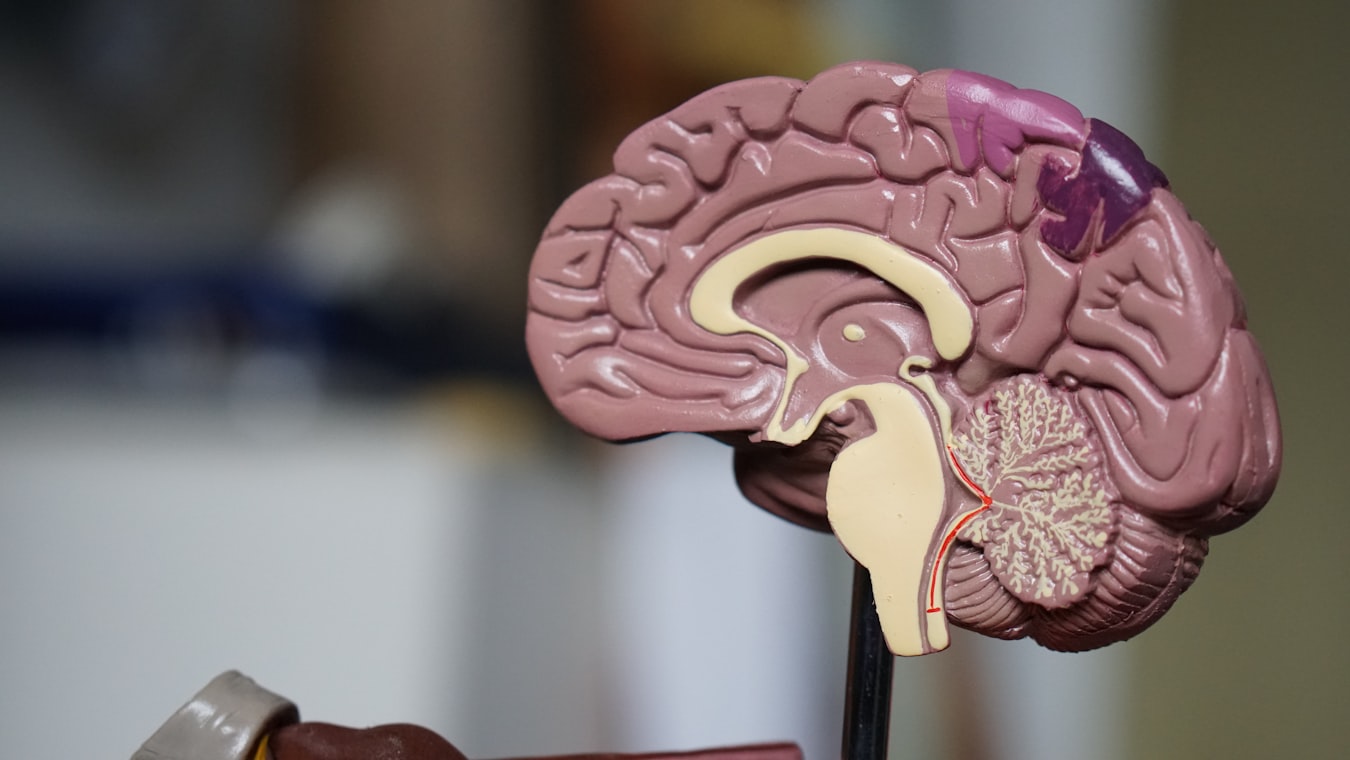
EMDR certification ensures therapists have the skills to safely facilitate trauma healing
Eye Movement Desensitization and Reprocessing (EMDR) certification represents a commitment to professional excellence in trauma treatment. Understanding the certification levels, training requirements, and credentialing process helps therapists and clients navigate the EMDR professional landscape. This comprehensive guide explains EMDR certification from basic training through advanced credentials, ensuring you understand what each level represents and why it matters.
EMDRIA: The Governing Body
Organization Overview
The EMDR International Association (EMDRIA) is the world's largest professional association for EMDR practitioners:
- Founded: 1995 by Francine Shapiro
- Mission: Set standards for EMDR training and practice
- Membership: Over 13,000 professionals worldwide
- Accreditation: Approves training programs and certifies practitioners
Certification Purpose
EMDRIA certification ensures:
- Quality training: Standardized curriculum and methods
- Clinical competence: Verified skills and experience
- Ethical practice: Professional standards and accountability
- Client protection: Qualified practitioners for public safety
EMDR Training Levels
Level 1: EMDR Trained
Basic Training Requirements
Part 1 (3 days):
- EMDR theory and research
- Client assessment and case conceptualization
- Bilateral stimulation techniques
- Phase 1-3 protocol application
Part 2 (3 days):
- Supervised practice sessions
- Complex case applications
- Integration with other therapies
- Ethical and legal considerations
Eligibility
- Mental health license: Active professional credential
- Education: Master's degree in mental health field
- Experience: Clinical practice experience preferred
Duration and Cost
- Time: 6 days total (split over 2-6 months)
- Cost: $1,500-$2,500 depending on provider
- CEUs: 42 continuing education credits
Level 2: EMDR Certified
Certification Requirements
Additional Experience:
- EMDR sessions: 25 supervised sessions
- Case presentations: 2-3 complex cases
- Consultation: 20 hours with approved consultant
- Documentation: Session logs and progress reports
Timeline:
- Completion: Within 2 years of basic training
- Application: Comprehensive portfolio submission
- Review: EMDRIA certification committee evaluation
Maintenance Requirements
- Annual renewal: Professional development verification
- Ethics: Adherence to EMDRIA code of conduct
- Continuing education: Trauma and EMDR updates
Level 3: EMDR Consultant
Advanced Requirements
Training:
- Consultant training: 40-hour advanced program
- Supervision experience: 20 hours providing consultation
- Case supervision: Multiple trainee cases
- Teaching experience: EMDR education delivery
Qualifications:
- Certified status: EMDR Certified for 2+ years
- Clinical experience: 5+ years post-licensure
- Specialization: Trauma treatment expertise
Responsibilities
- Trainee supervision: Basic training consultation
- Case consultation: Complex case guidance
- Professional development: EMDR community contribution
- Quality assurance: Training program standards
Level 4: EMDR Approved Consultant
Elite Certification
Requirements:
- Consultant status: EMDR Consultant for 3+ years
- Advanced training: Specialty certifications
- Publication/research: EMDR knowledge contribution
- Leadership role: EMDRIA committee or regional leadership
Privileges:
- Training approval: EMDRIA-approved training programs
- Advanced consultation: Complex and dissociative cases
- Professional recognition: EMDR field leadership
Certification Pathways
EMDR Certification Pathway:
━━━━━━━━━━━━━━━━━━━━━━━━━━━━━━━━━━━━━━━━━━━━━━━━━━━━━━━━━━━━━━━━━━━━
Level                | Training Required                  | Experience Needed
━━━━━━━━━━━━━━━━━━━━━━━━━━━━━━━━━━━━━━━━━━━━━━━━━━━━━━━━━━━━━━━━━━━━
EMDR Trained        | 6-day basic training              | None required
EMDR Certified      | +20 consultation hours            | 25 supervised sessions
EMDR Consultant     | 40-hour consultant training       | 5 years clinical + 2 years certified
Approved Consultant | Advanced leadership training       | 3 years consultant + publications
━━━━━━━━━━━━━━━━━━━━━━━━━━━━━━━━━━━━━━━━━━━━━━━━━━━━━━━━━━━━━━━━━━━━
Training Program Accreditation
EMDRIA-Approved Training
Program Standards
- Curriculum compliance: Required content coverage
- Trainer qualifications: EMDR Consultant status minimum
- Supervision quality: Experienced consultant availability
- Participant evaluation: Knowledge and skill assessment
Finding Approved Training
- EMDRIA website: Training directory search
- Provider verification: Approved status confirmation
- Regional options: Location-based availability
- Format options: In-person, virtual, hybrid
International Training
Global Standards
- EMDR Europe: European certification standards
- Regional associations: Country-specific requirements
- Cross-recognition: International credential acceptance
- Cultural adaptation: Local context integration
Continuing Professional Development
Annual Requirements
EMDRIA Membership Benefits
- Certification maintenance: Renewal verification
- Professional liability: Specialized coverage
- Research access: Latest EMDR developments
- Networking: Professional community connection
Continuing Education
- Required hours: 12 CEUs annually (EMDR-related)
- Content areas: Trauma treatment, ethics, research
- Documentation: Certificate retention
- Expiration: Lapsed certification consequences
Advanced Certifications
Specialty Areas
- Complex trauma: DID/OSDD expertise
- Child EMDR: Pediatric specialization
- Military/veterans: Combat trauma focus
- Disaster response: Crisis intervention training
Research and Scholarship
- Publication credits: EMDR research contribution
- Conference presentation: Professional education delivery
- Peer review: EMDR literature evaluation
Benefits of EMDR Certification
Professional Advantages
Clinical Competence
- Evidence-based skills: Research-supported techniques
- Standardized protocols: Consistent treatment delivery
- Quality assurance: Peer-reviewed practice standards
- Client outcomes: Improved treatment effectiveness
Career Opportunities
- Specialization recognition: Trauma treatment expertise
- Insurance reimbursement: Higher compensation rates
- Professional credibility: Industry respect and trust
- Referral networks: Professional community access
Client Protection
Treatment Quality
- Verified expertise: Demonstrated clinical competence
- Ethical standards: Professional conduct assurance
- Safety protocols: Risk management procedures
- Outcome tracking: Treatment effectiveness monitoring
The Certification Process
Application Timeline
Basic Training
- Registration: 3-6 months in advance
- Preparation: Required readings and prerequisites
- Attendance: Full participation requirement
- Post-training: Consultation hour initiation
Certification Journey
- Session accumulation: 6-12 months of supervised practice
- Consultation hours: Weekly or bi-weekly meetings
- Portfolio development: Case documentation
- Application submission: Complete packet review
Cost Considerations
Training Investment
- Basic training: $1,500-$3,000
- Consultation: $100-$200 per hour
- Certification fees: $200-$500 application
- Annual dues: $150-$300 EMDRIA membership
Financial Planning
- Employer support: Training reimbursement
- Scholarships: Available for underserved areas
- Payment plans: Extended training costs
- Tax deductions: Professional development expenses
Common Questions and Misconceptions
Training Myths
"Weekend Workshops"
- Reality: EMDR requires comprehensive 6-day training
- Risk: Inadequate preparation for complex cases
- Standard: EMDRIA-approved programs only
- Verification: Official training directory check
"Online Certification"
- Limitation: Hands-on practice requirement
- Supplement: Virtual components available
- Integration: Blended learning models
- Accreditation: EMDRIA approval essential
Certification Concerns
"Lifetime Certification"
- Maintenance: Annual renewal requirements
- Updates: Continuing education mandates
- Standards evolution: Practice guideline changes
- Accountability: Ongoing professional development
"One-Size-Fits-All"
- Individualization: Case-specific adaptations
- Cultural competence: Diverse client considerations
- Flexibility: Protocol modification training
- Creativity: Therapist clinical judgment
Future of EMDR Certification
Evolving Standards
Technology Integration
- Virtual training: Remote learning platforms
- Digital consultation: Online supervision options
- App integration: Technology-assisted practice
- Outcome tracking: Digital progress monitoring
Research-Driven Updates
- Evidence integration: Latest research incorporation
- Cultural adaptations: Global practice standards
- Specialization growth: New trauma treatment areas
- Quality improvement: Outcome-based certifications
Making the Commitment
Personal Investment
Time and Energy
- Training commitment: Multi-year professional development
- Practice dedication: Ongoing skill refinement
- Client service: Trauma healing contribution
- Professional growth: Career advancement opportunity
Passion for Trauma Work
- Client impact: Life-changing treatment delivery
- Field contribution: EMDR community participation
- Personal growth: Professional and personal development
- Legacy building: Trauma treatment advancement
Conclusion: Excellence in EMDR Practice
EMDR certification represents a commitment to professional excellence and client safety in trauma treatment. From basic training through advanced credentials, each level builds upon the last, ensuring therapists possess the knowledge, skills, and ethical foundation to provide effective EMDR therapy.
Whether you're considering EMDR training or seeking a certified therapist, understanding these credentials empowers informed decisions. The EMDR certification pathway not only validates professional competence but also contributes to the growing body of trauma treatment expertise that helps countless individuals heal from their past experiences.
Resources
EMDR International Association. (2023). Certification requirements. https://www.emdria.org/certification/
EMDR International Association. (2023). Find EMDR training. https://www.emdria.org/emdr-training/
This article is for informational purposes only and does not constitute professional advice. Consult EMDRIA for official certification requirements.
Image Credits
- Brain professional development illustration: Original image from the EMDR therapy project, used under project license for educational content.
- EMDR certification pathway diagram: Created using ASCII art for clarity and accessibility.
All content designed to support understanding of EMDR professional credentials and training.