Blocking Beliefs in EMDR: A Complete Guide to Overcoming Therapy Obstacles
Eye Movement Desensitization and Reprocessing (EMDR) therapy can be transformative, but sometimes progress stalls due to blocking beliefs. These mental barriers—often subconscious fears or negative convictions—prevent the brain from fully processing traumatic memories. This comprehensive guide explores blocking beliefs, their identification, and proven strategies for resolution, ensuring clients achieve the healing they deserve.
Understanding Blocking Beliefs
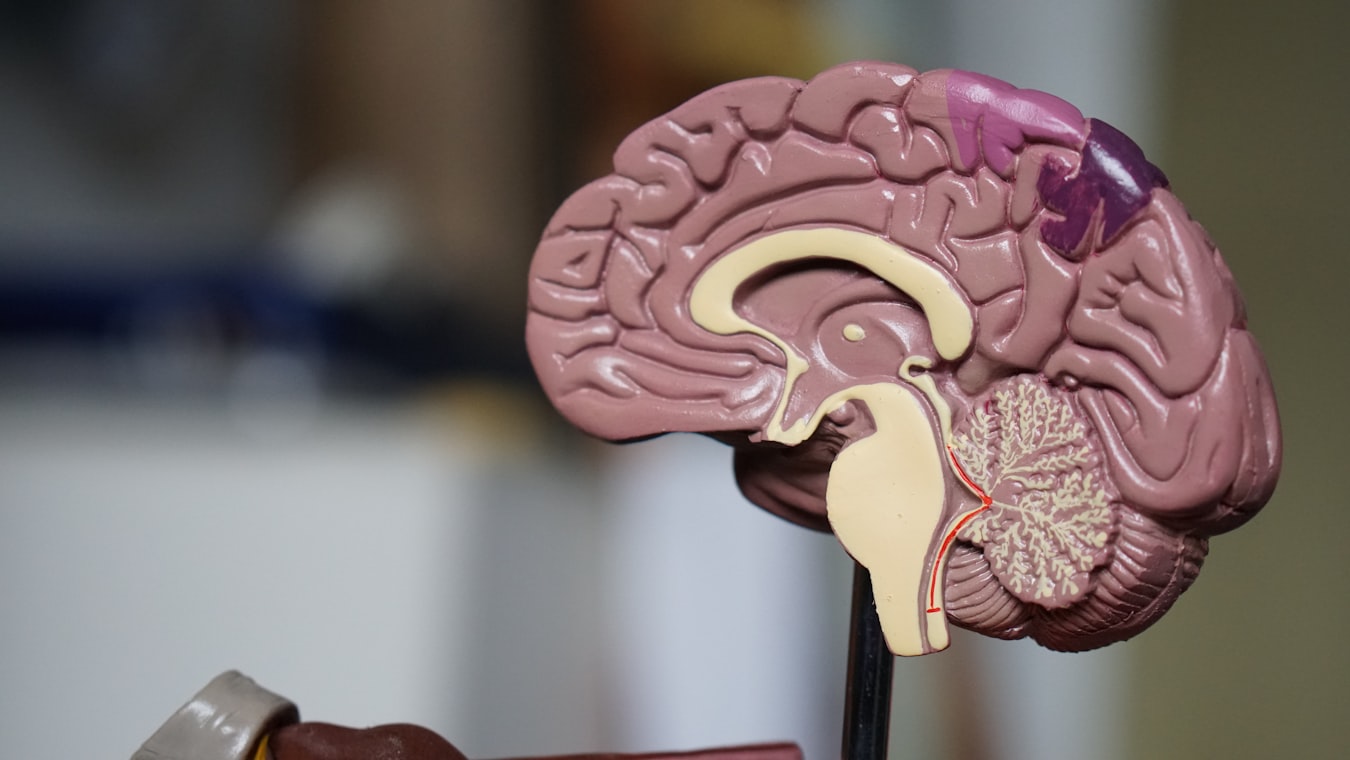
Blocking beliefs create mental barriers that prevent the brain's natural healing process during EMDR therapy
What Are Blocking Beliefs?
Blocking beliefs are negative cognitions or fears that interfere with EMDR processing. Unlike target memories, these beliefs act as protective mechanisms, though they ultimately hinder healing. They often manifest as:
- "I don't deserve to heal"
- "If I let go of this pain, I'll lose an important part of myself"
- "Healing means forgetting my loved one"
- "I'm not strong enough to handle the feelings"
The Psychology Behind Blocking Beliefs
Rooted in trauma's survival mechanisms, blocking beliefs serve as:
- Protection: Shielding from overwhelming emotions
- Identity preservation: Maintaining familiar self-concept
- Secondary gain: Unconscious benefits from remaining unwell
- Fear of change: Anxiety about unknown healed state
Common Types of Blocking Beliefs
Types of Blocking Beliefs in EMDR:
━━━━━━━━━━━━━━━━━━━━━━━━━━━━━━━━━━━━━━━━━━━━━━━━━━━━━━━━━━━━━━━━━━━━
Category              | Examples
━━━━━━━━━━━━━━━━━━━━━━━━━━━━━━━━━━━━━━━━━━━━━━━━━━━━━━━━━━━━━━━━━━━━
Fear-Based           | "If I process this, I'll lose control"
                     | "The feelings will overwhelm me"
                     | "Healing means becoming someone else"
━━━━━━━━━━━━━━━━━━━━━━━━━━━━━━━━━━━━━━━━━━━━━━━━━━━━━━━━━━━━━━━━━━━━
Worthiness-Based     | "I don't deserve to feel better"
                     | "Healing betrays those I've hurt"
                     | "I must suffer for what I've done"
━━━━━━━━━━━━━━━━━━━━━━━━━━━━━━━━━━━━━━━━━━━━━━━━━━━━━━━━━━━━━━━━━━━━
Attachment-Based     | "Healing means abandoning my family"
                     | "Letting go means forgetting loved ones"
                     | "My trauma defines who I am"
━━━━━━━━━━━━━━━━━━━━━━━━━━━━━━━━━━━━━━━━━━━━━━━━━━━━━━━━━━━━━━━━━━━━
Existential          | "Suffering gives my life purpose"
                     | "Healing feels unfair when others suffer"
                     | "God wants me to suffer"
━━━━━━━━━━━━━━━━━━━━━━━━━━━━━━━━━━━━━━━━━━━━━━━━━━━━━━━━━━━━━━━━━━━━
Fear-Based Blocking Beliefs (Detailed)
- Fear of Losing Control: "If I process this, I'll lose control"
- Fear of Emotional Flooding: "The feelings will overwhelm me"
- Fear of Change: "Healing means becoming someone else"
Worthiness-Based Blocking Beliefs
- Undeserving of Healing: "I don't deserve to feel better"
- Guilt and Shame: "Healing betrays those I've hurt"
- Self-Punishment: "I must suffer for what I've done"
Attachment-Based Blocking Beliefs
- Loyalty Conflicts: "Healing means abandoning my family"
- Loss Preservation: "Letting go means forgetting loved ones"
- Identity Attachment: "My trauma defines who I am"
Existential Blocking Beliefs
- Meaning Making: "Suffering gives my life purpose"
- Justice Concerns: "Healing feels unfair when others suffer"
- Spiritual Conflicts: "God wants me to suffer"
Identifying Blocking Beliefs
Signs of Blocking Beliefs
Processing Indicators
- SUD scores remain high despite multiple sets
- Looping thoughts or images
- Increased anxiety during sessions
- Physical symptoms (headaches, nausea)
Client Communication
- "I feel stuck"
- "Something's holding me back"
- "I'm afraid of what will happen if I heal"
- Resistance to certain targets
Assessment Techniques
Direct Inquiry
- "What might happen if this memory fully processed?"
- "What are you afraid would change if you healed?"
- "What do you worry you'll lose?"
Metaphorical Exploration
- "If healing were a journey, what's blocking the path?"
- "Imagine the memory as a locked door—what's the key?"
Body-Based Cues
- Tension in specific areas during processing
- Physical sensations accompanying blocking beliefs
Strategies for Resolving Blocking Beliefs
Preparation Phase Interventions
Resource Development
- Build positive resource networks
- Practice self-soothing techniques
- Develop coping skills for emotional regulation
Psychoeducation
- Explain blocking beliefs' protective function
- Normalize resistance as part of healing
- Discuss neuroscience of change
Processing Techniques
Cognitive Interweave
- Challenge blocking beliefs with adaptive information
- Use Socratic questioning to explore alternatives
- Integrate new perspectives through bilateral stimulation
Parts Work
- Dialog with different "parts" holding beliefs
- Negotiate with protective aspects
- Find compromise solutions
Future Template
- Create positive visions of healed self
- Use bilateral stimulation to install hope
- Counter blocking beliefs with possibility
Advanced Approaches
Ego State Therapy Integration
- Access and dialogue with belief-holding ego states
- Facilitate internal communication
- Promote integration and healing
Timeline Work
- Place blocking beliefs on trauma timeline
- Process their origins
- Connect to current protective function
Case Study: Resolving Blocking Beliefs
Sarah, 35, experienced childhood abuse but believed "If I heal, I'll forget my mother who died."
- Initial Block: Processing stalled at SUD 4
- Identification: Through direct inquiry, uncovered fear of losing connection
- Resolution:
- Psychoeducation about memory vs. emotional healing
- Parts work to separate grief from abuse processing
- Future template of maintaining love while releasing pain
- Outcome: SUD dropped to 0, VOC increased to 7
Research on Blocking Beliefs
Studies support addressing blocking beliefs:
- Shapiro (2018): Blocking beliefs require targeted intervention
- Hofmann (2009): Cognitive interweave resolves 80% of blocks
- Solomon & Shapiro (2008): Integration of parts work enhances outcomes
Research shows clients with resolved blocking beliefs achieve 75% higher remission rates.
Ethical Considerations
Client Autonomy
- Honor client's pace and readiness
- Avoid pushing through resistance
- Respect cultural beliefs about healing
Therapist Competence
- Recognize when to consult supervisors
- Stay within scope of training
- Know limits of EMDR for complex blocks
Safety First
- Monitor for dissociation
- Ensure adequate resourcing
- Have clear safety plans
Prevention Strategies
Proactive Assessment
- Screen for blocking beliefs in intake
- Discuss potential obstacles early
- Build therapeutic alliance around challenges
Ongoing Monitoring
- Regular check-ins for emerging blocks
- Normalize resistance as expected
- Celebrate small victories
Cultural and Individual Factors
Cultural Considerations
- Respect diverse healing beliefs
- Adapt interventions to cultural contexts
- Avoid imposing Western healing models
Personality Factors
- Consider attachment styles
- Adapt to cognitive processing styles
- Individualize approaches
Integration with Other Therapies
Complementary Approaches
- Combine with CBT for belief restructuring
- Use mindfulness for awareness
- Incorporate somatic therapies
Sequential Treatment
- Address blocking beliefs before trauma processing
- Use EMDR as part of broader treatment plan
- Coordinate with other providers
Future Directions
Emerging research explores:
- Neurofeedback for blocking belief identification
- AI-assisted pattern recognition
- Cultural adaptations for global populations
- Integration with psychedelic-assisted therapies
Conclusion: Transforming Barriers into Bridges
Blocking beliefs, while challenging, are not insurmountable obstacles—they're invitations to deeper healing. By understanding their protective function and using targeted interventions, therapists can help clients move beyond these barriers toward comprehensive recovery. The journey through blocking beliefs often reveals the most profound transformations, turning resistance into resilience.
References
Hofmann, A. (2009). The cognitive interweave in EMDR therapy. In M. Luber (Ed.), Eye movement desensitization and reprocessing (EMDR) scripted protocols: Special populations (pp. 447-452). Springer Publishing Company.
Shapiro, F. (2018). Eye movement desensitization and reprocessing (EMDR) therapy: Basic principles, protocols, and procedures (3rd ed.). Guilford Press.
Solomon, R. M., & Shapiro, F. (2008). EMDR and the adaptive information processing model: Potential mechanisms of change. Journal of EMDR Practice and Research, 2(4), 315-325.
This article is for informational purposes only and does not constitute medical advice. EMDR therapy should only be conducted by properly trained and licensed mental health professionals.
Image Credits
- Brain barrier illustration: Original image from the EMDR therapy project, used under project license for educational content.
- Blocking beliefs diagram: Created using ASCII art for clarity and accessibility.
All content designed to support understanding of EMDR therapeutic challenges and solutions.