Adaptive Information Processing (AIP) Model Explained: The Foundation of EMDR Therapy
Eye Movement Desensitization and Reprocessing (EMDR) therapy is one of the most effective treatments for trauma, with millions of people worldwide experiencing significant relief from symptoms. At the heart of EMDR lies the Adaptive Information Processing (AIP) model—a groundbreaking theory that explains how trauma affects the brain and how EMDR facilitates healing. This comprehensive guide explores the AIP model in detail, helping you understand the science behind EMDR therapy.
What is the Adaptive Information Processing (AIP) Model?
Origins and Development
The Adaptive Information Processing model was developed by Francine Shapiro, the creator of EMDR therapy, in the late 1980s. Shapiro observed that eye movements seemed to reduce the emotional intensity of traumatic memories, leading her to theorize about the underlying mechanisms.
AIP is a neurobiological model that explains how the brain processes information and how trauma can disrupt this process. It provides the theoretical foundation for EMDR therapy and helps explain why the treatment is effective for a wide range of psychological issues.
Core Principles
The AIP model is based on several key principles:
Information Processing: The brain has an innate ability to process information adaptively, allowing us to learn from experiences and integrate new information with existing knowledge.
Memory Networks: Experiences are stored in associative memory networks that connect related thoughts, emotions, sensations, and beliefs.
Adaptive Resolution: When information is processed adaptively, it leads to appropriate emotional responses and healthy beliefs.
Maladaptive Storage: Trauma can cause information to be stored in a way that leads to ongoing distress and dysfunctional beliefs.
How Trauma Disrupts Information Processing
Normal Information Processing
In healthy individuals, new experiences are processed through existing memory networks:
- Encoding: New information enters the brain through sensory inputs
- Association: The brain links new information with related memories and knowledge
- Integration: Information is stored in a way that allows for adaptive responses
- Resolution: Emotional responses are appropriate and time-limited
This process allows us to learn from experiences, form healthy beliefs, and maintain emotional equilibrium.
The Impact of Trauma
When trauma occurs, the normal processing system can become overwhelmed:
Overwhelm of the System: Traumatic experiences can flood the brain with intense emotions and sensations that exceed the system's capacity to process.
Dissociation: To protect itself, the brain may disconnect from the experience, preventing full processing.
Maladaptive Storage: Traumatic memories get stored in isolated memory networks that remain unprocessed.
Persistent Activation: These unprocessed memories can be triggered by reminders, causing ongoing distress.
Symptoms of Unprocessed Trauma
According to the AIP model, unprocessed trauma manifests as:
- Intrusive Symptoms: Flashbacks, nightmares, unwanted thoughts
- Avoidance Behaviors: Avoiding reminders of the trauma
- Negative Cognitions: Beliefs like "I'm not safe," "I'm unworthy," "It's my fault"
- Emotional Dysregulation: Intense emotions that feel out of control
- Somatic Symptoms: Physical sensations related to the trauma
The Structure of Memory Networks
Associative Memory Networks
The AIP model describes memory as organized in associative networks:
Memory Networks: Collections of related information including:
- Sensory data (sights, sounds, smells, physical sensations)
- Emotions and emotional intensity
- Cognitions and beliefs
- Behavioral responses
Network Connections: Related networks are linked, allowing the brain to access relevant information quickly.
State-Dependent Activation: Networks can be activated by internal states (emotions, thoughts) or external triggers.
Types of Memory Networks
Adaptive Networks: Well-processed memories that lead to healthy responses and beliefs.
Maladaptive Networks: Unprocessed traumatic memories that cause distress and dysfunction.
Present-State Networks: Current experiences that can activate related past networks.
The AIP Model and EMDR Therapy
How EMDR Facilitates Processing
EMDR therapy uses bilateral stimulation (eye movements, taps, or sounds) to:
Access Memory Networks: Bilateral stimulation helps access unprocessed traumatic memories.
Facilitate Processing: The stimulation appears to activate the brain's natural information processing system.
Link Networks: Processing connects isolated traumatic networks with adaptive information.
Promote Resolution: This leads to the integration of traumatic material into adaptive memory networks.
The Eight Phases of EMDR
The AIP model informs the structured eight-phase approach of EMDR:
- History Taking: Identify targets for processing
- Preparation: Develop resources and coping skills
- Assessment: Activate the memory network
- Desensitization: Process the traumatic material
- Installation: Strengthen positive beliefs
- Body Scan: Clear residual somatic tension
- Closure: Ensure stability between sessions
- Reevaluation: Assess progress and plan next steps
Each phase is designed to facilitate adaptive information processing.
Key Concepts in the AIP Model
The Processing Continuum
Unprocessed Material: Raw, unintegrated traumatic experiences that cause symptoms.
Partially Processed Material: Some integration has occurred, but distress remains.
Fully Processed Material: Adaptive resolution with appropriate emotions and beliefs.
Adaptive Resolution
When processing is successful, individuals experience:
- Reduced Distress: Traumatic memories lose their emotional charge
- Appropriate Emotions: Emotional responses become proportional to current situations
- Healthy Beliefs: Negative self-beliefs are replaced with adaptive ones
- Integration: Traumatic experiences become part of a coherent life narrative
State Change vs. Content Change
The AIP model emphasizes that EMDR changes how information is stored, not the facts of what happened:
Content Remains: The memory of the event stays the same Processing Changes: How the brain relates to the memory changes Emotional Response Changes: The distress and associated beliefs change
Applications Beyond Trauma
Mental Health Conditions
The AIP model explains how EMDR can help with various conditions:
Anxiety Disorders: Processing underlying experiences that maintain anxiety
Depression: Addressing negative belief systems and unresolved experiences
PTSD: Primary application for processing traumatic memories
Phobias: Processing the original experiences that created the fear response
Addiction: Working with underlying trauma and dysfunctional beliefs
Performance and Personal Growth
EMDR can also be applied to:
Performance Enhancement: Processing experiences that block optimal functioning
Personal Development: Addressing limiting beliefs and past experiences
Relationship Issues: Processing attachment wounds and relationship traumas
Research Support for the AIP Model
Neurobiological Evidence
Brain imaging studies support aspects of the AIP model:
Memory Processing: fMRI studies show changes in brain activation during EMDR
Emotional Regulation: Decreased activity in fear centers like the amygdala
Integration: Increased connectivity between different brain regions
Clinical Outcomes
Extensive research demonstrates EMDR's effectiveness:
PTSD Treatment: EMDR is a first-line treatment for PTSD Speed of Change: Often faster than traditional talk therapies Long-Term Effects: Benefits are maintained over time Broad Applications: Effective for various mental health conditions
Theoretical Validation
The AIP model has been supported by:
Information Processing Research: Studies on how the brain processes information
Memory Research: Understanding of how trauma affects memory storage
Neuroplasticity: The brain's ability to change and reorganize itself
Criticisms and Limitations
Areas of Debate
While widely accepted, the AIP model has some criticisms:
Mechanisms: The exact mechanisms of bilateral stimulation are not fully understood
Specificity: Some effects may be due to non-specific factors like attention or relaxation
Scope: May not fully explain all aspects of complex trauma
Ongoing Research
Current research aims to:
Clarify Mechanisms: Better understand how bilateral stimulation works
Refine the Model: Address limitations and expand applications
Integration: Connect AIP with other trauma theories
Practical Implications
For Therapists
Understanding AIP helps therapists:
Case Conceptualization: Explain client symptoms and treatment goals
Treatment Planning: Select appropriate targets and approaches
Client Education: Help clients understand the healing process
Progress Monitoring: Assess when processing is complete
For Clients
Knowledge of AIP can help clients:
Understand Symptoms: Make sense of their experiences
Trust the Process: Have confidence in EMDR's effectiveness
Active Participation: Engage more fully in therapy
Manage Expectations: Understand what to expect during treatment
Future Directions
Model Refinement
The AIP model continues to evolve:
Integration with Neuroscience: Incorporating new findings about brain function
Cultural Adaptations: Addressing cultural aspects of trauma processing
Complex Trauma: Refining applications for developmental trauma
Technological Integration
Digital tools may enhance AIP-informed treatments:
Biofeedback: Real-time monitoring of physiological responses
Virtual Reality: Creating safe environments for processing
AI Assistance: Supporting therapists in identifying targets
Conclusion
The Adaptive Information Processing model provides a powerful framework for understanding trauma and healing. By explaining how trauma disrupts the brain's natural information processing system and how EMDR can restore adaptive functioning, AIP gives both therapists and clients a clear roadmap for recovery.
While the model has some limitations and areas for further research, it has stood the test of time and clinical practice. Millions of people have experienced profound healing through EMDR, and the AIP model helps explain why.
Understanding the AIP model can empower you to make informed decisions about your mental health care. Whether you're considering EMDR therapy or simply want to better understand trauma and healing, the AIP model offers valuable insights into the brain's remarkable capacity for recovery and growth.
If you're struggling with trauma or other mental health challenges, EMDR therapy based on the AIP model may offer the path to healing you've been seeking. Consult with a qualified EMDR therapist to explore whether this approach is right for you.
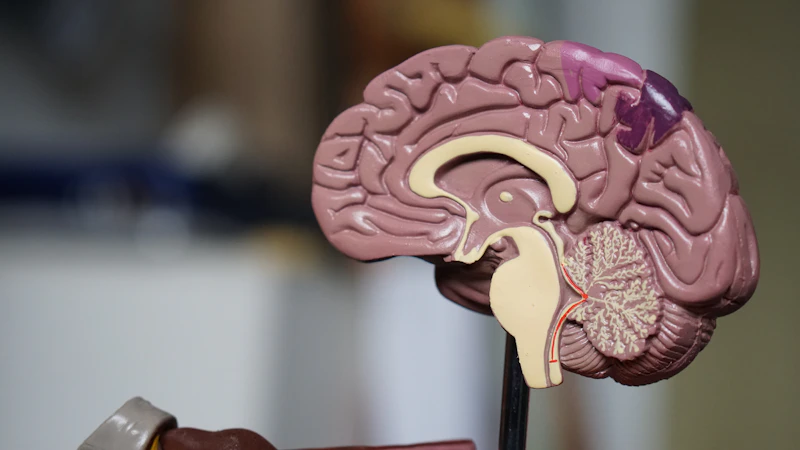
Image credit: Unsplash - Brain and neural connections (Photo ID: photo-1559757148-5c350d0d3c56)

Image credit: Unsplash - Neural networks and data processing (Photo ID: photo-1677442136019-21780ecad995)
The Adaptive Information Processing model reveals the brain's incredible ability to heal itself when given the right conditions—a testament to human resilience and the power of targeted therapeutic interventions.